SRINAGAR — The Parents Association of Private Schools Kashmir (PAPSK) expresses profound disappointment and dismay over the recent transport order issued by the Committee for Fixation & Regulation of Fee of Private Schools (FFRC) J&K.

A PAPSK spokesperson said that the order, mandating that private schools charge 50% of transport fees during winter vacations in Kashmir, is unacceptable and deeply unjust to the parents and guardians within our community.

He said that the winters in Kashmir are marked by a significant break in the school calendar, during which time all the private schools of Kashmir suspend their transport services.

“Given that these services are not utilized during this period, imposing a 50% transport fee is an undue burden on parents, who are already managing the financial strains of private education in Kashmir,” he said.

The rationale behind this decision appears to be disconnected from the realities faced by the parents, the spokesperson said.

He added, “We firmly believe that it is unreasonable to expect parents to pay for transport services that are not being provided. The financial implications of this order are significant, and enforcing it without regard for its impact on families is an injustice.”

This post first appeared on The Kashmir Pulse

SRINAGAR — In response to a persistent heatwave, the Divisional Commissioner of Kashmir has ordered a temporary suspension of classwork for primary-level students across the region.

According to Order No. 200-DIVCOM2024, issued on July 28, 2024, all government and recognized private schools will halt classes for students up to the primary level on July 29 and 30. The decision comes in the wake of consistent calls to protect young children from the ongoing extreme temperatures.

Despite the suspension of classes for primary-level students, all teaching and non-teaching staff are required to continue their duties as usual.

The measure comes as the valley experiences an unusual and prolonged heatwave, raising concerns about the health and safety of school children.

Meanwhile, the divisional administration is monitoring the situation closely and said it will take necessary measures as warranted by the changing weather conditions.

This post first appeared on The Kashmir Pulse

SRINAGAR — The Divisional Administration Kashmir on Friday said that there was no possibility of re-announcing the summer vacations for the schools of the region.

According to the news agency KNO, Divisional Commissioner Kashmir Vijay Kumar Bidhuri told reporters that there were no possible plans for the government to re-announce the summer vacations for schools in the Kashmir region.

“We have already changed the school timing in schools of Kashmir region. Re-announcing the summer vacation is not possible for now,” he said.

Bidhuri further said that the administration will have to take care of minimum working academic days too.

“We have to complete the syllabus of the students within the timeframe and by announcing extra vacations, we won’t be able to complete it,” he said.

The Divisional Commissioner further said that the government was monitoring the weather situations and if required the administration would take a call accordingly.

This post first appeared on The Kashmir Pulse

KULGAM — The education sector in southern Kashmir's Kulgam district is struggling due to numerous vacant key positions, including the Chief Education Officer (CEO), Deputy CEO, and 16 Principals, among 170 posts, thereby impacting the quality of education in the district severely.

Figures accessed by the news agency KNO reveal that a position each of Chief Education Officer, Deputy CEO, 16 Principals, 124 Lecturers, 3 ZEOs, 4 ZPEOs, and 21 Headmasters are lying vacant in Kulgam district.

"The Chief Education Officer retired in May this year, and the CEO of Anantnag has been assigned the additional charge of CEO Kulgam. The position of Dy CEO Kulgam has been vacant for many years, with the DDO powers of Dy CEO Kulgam currently assigned to a senior HSS Principal," officials said.

They said that out of 321 sanctioned lecturer posts in the 26 higher secondary schools, only 197 are currently filled, leaving 124 lecturer posts vacant.

"In Kulgam district, there are 26 higher secondary schools (HSSs), but only 10 have Principals, leaving 16 HSSs, including GHSS Kulgam, GHSS Yaripora, and HSS Qaimoh, without heads," officials said.

To address the crisis, the School Education Department has begun the process of hiring 58 allocated ‘Cluster Resource Coordinators’ to provide temporary teaching support in high and higher secondary schools, but these positions have not yet been filled.

Officials further said that there are around six education zones in Kulgam, three of which are vacant: DH Pora, Qaimoh, and Kulgam.

Deputy Commissioner (DC) Kulgam, Athar Amir Khan, said that in-charge principals are in place in all these educational institutions. "The matter has also been taken up with the Education Department," he said.

This post first appeared on The Kashmir Pulse

SRINAGAR — Jammu and Kashmir is bracing for a severe heatwave over the next four days, with temperatures hitting record highs and impacting both daily life and the region's delicate ecosystems.

Srinagar, the summer capital, recorded its second-highest July temperature in a decade at 35.6°C, matching Jammu City’s temperature. Qazigund registered its third all-time highest temperature at 34.2°C.

Other parts of Kashmir, including Pahalgam and Kupwara, also experienced significant temperature increases, with the mercury rising to 29.3°C and 35.0°C, respectively. This heatwave is expected to continue, with weather models forecasting dry conditions and potential record-breaking temperatures.

The ongoing heatwave has exacerbated water scarcity issues, leading to public protests in Baramulla district. Residents, particularly within Pattan jurisdiction, have voiced their concerns over severe water shortages, prompting police to urge people not to block highways.

A recent violent demonstration at Chainabal saw the Srinagar-Baramulla National Highway blocked in protest. In response, Sub Divisional Magistrate (SDM) Pattan, Dr Gulzar Ahmed, assured residents that their grievances would be addressed promptly, with water tankers deployed on a roaster basis to mitigate the crisis.

The rising temperatures are also threatening Kashmir’s aquatic life. Experts warn that the heat wave is disrupting the region’s aquatic ecosystems, leading to potential mass fish mortality.

Fish are highly sensitive to changes in water temperature, and the heatwave is causing water levels to drop and oxygen levels to decrease. This hostile environment has already led to incidents of mass fish deaths, with the most recent occurring in the Tsoont Koel stream near Barbar Shah, Srinagar.

Research highlights the deteriorating water quality in lakes such as Dal Lake, where dissolved oxygen levels have fallen drastically due to untreated sewage, agricultural runoff, and industrial waste. The increased biological oxygen demand from pollution, combined with rising temperatures, creates a deadly combination for aquatic life.

Dr. Mehraj Bashir, an ichthyologist, noted that while some fish species can tolerate higher temperatures and pollution levels, the native Schizothorax species is particularly vulnerable and has seen declining numbers.

Meanwhile, despite the severe heatwave, the Education Department in Doda and Kishtwar districts has yet to change school timings, unlike in other parts of Jammu and Kashmir. Chief Education Officer (CEO) Doda, Prakash Lal Thapa, stated that no representations from parents or heads of institutions have been received to prompt a change in school hours, leaving students to endure the harsh conditions.

As the heatwave continues to grip the region, authorities and experts alike are calling for vigilance and immediate measures to mitigate its impact on both human and aquatic life. Relief is expected after July 28, with a forecasted decline in temperatures.

This post first appeared on The Kashmir Pulse
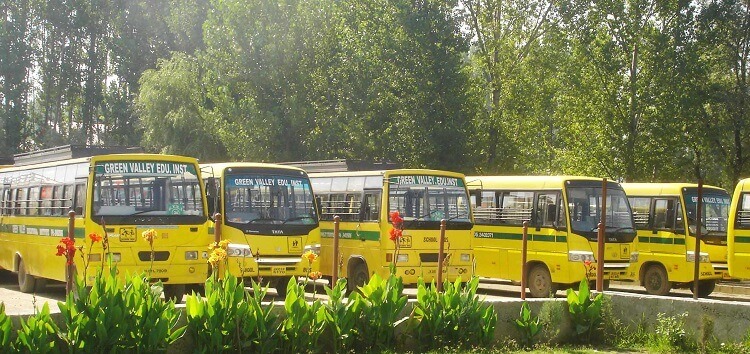
SRINAGAR — The Directorate of School Education Kashmir (DSEK) on Tuesday announced a revised school timing schedule to mitigate the effects of the ongoing heatwave in the Valley.

Starting Tuesday, July 23, and continuing until August 10, all government and private schools in Kashmir up to the higher secondary level will function from 8:00 am to 1:00 pm. Teaching and non-teaching staff will report for duty from 8:00 am to 2:00 pm.

The order from DSEK comes amid numerous appeals from parents and other stakeholders expressing concerns about the impact of the extreme heatwave on students.

Pertinently, weather forecasts indicate that the region will continue to experience high temperatures in the coming days.

This post first appeared on The Kashmir Pulse
SRINAGAR — With the persistent heatwave in Kashmir, teachers and parents on Monday urged the School Education Department to either adjust school timings or announce an additional summer break.

Speaking to the news agency KNO, General Secretary of Jammu and Kashmir Teacher Association (JKTA) Hatim Qayoom said the persistent heatwave is affecting the studies badly and the concerned should consider the change in school timing in both rural and urban areas.

“Due to the extremely hot weather conditions, nowadays, students in schools are feeling low mostly from afternoon onwards. This is affecting their studies badly,” Qayoom said.

He requested the concerned authorities to take appropriate measures in this regard.

Meanwhile, a delegation of various fronts visited the Directorate of School Education Kashmir (DSEK) in this regard.

Parents of the students have also urged the government either to change the timing of schools or extend the summer break.

One of the parents of a student, Manzoor Ahmad said the current weather conditions in Kashmir were not favourable for the students to attend the classes. He, however, said that schooling is also important for students. “The government should either announce further summer vacations or change the timing of schools immediately," he said.

Another parent said he has decided to keep his son back at home till the weather situation improves. “Nothing is more important than the health of my son. I can bear this loss but I can’t compromise the health of my child,” he said.

Pertinently, Kashmir Valley is reeling under an intense heatwave and the MeT department has informed that the situation will almost remain the same for at least a week.

Director of School Education Kashmir Tassaduq Hussain Mir was not available for their comments.

Meanwhile, top officials of the School Education Department said that they were assessing the situation in this regard. “We will seek suggestions from the concerned stakeholders and will take a call accordingly,” the official said.

Earlier on June 30, the School Education Department announced summer break for all schools falling in winter zones from July 08 to 17.

This post first appeared on The Kashmir Pulse
SRINAGAR — The School Education Department on Tuesday clarified that there will be no extension in summer vacation and subsequently ordered students to resume classes from July 18.

According to the news agency KNO, SED on microblogging site X said that all schools including government-owned and recognized private ones shall be re-opened on July 18, 2024 after summer vacations across the UT.

It also ordered the Chief Education Officers, Zonal Education Officers and Heads of Institutions to follow the cleanness advisory.

The cleanliness advisory asked the school heads to ensure that all premises, including classrooms, corridors, and common areas, are thoroughly cleaned with special attention towards clean toilets, ensuring these are hygienic and well-maintained. It also asked to ensure clean water as well as disinfecting water tanks to ensure safe drinking water. Also, ensure rooftops are free of debris and dirt.

The advisory further stressed trimming and maintaining lawns and grounds to provide a neat and safe environment for students; clearing any junk, waste, or debris from the school premises to maintain a clean and clutter-free environment; identifying and removing any stagnant water to prevent the breeding of mosquitoes and other pests; and inspecting the premises for any water leakages and ensure they are promptly repaired to avoid water wastage and potential damage to the infrastructure.

SED in the advisory further said, “These measures are crucial to provide a safe, clean, and conducive environment for students as they return to school.”

Earlier on June 30, SED announced summer break for all schools falling in winter zones from July 8 to July 17.

This post first appeared on The Kashmir Pulse

SRINAGAR — Amid the heat wave, the Directorate of School Education Jammu (DSEJ) on Tuesday ordered summer vacation for all government and private schools from June 1 to July 16 in summer zone areas of the region.

According to the news agency KNO, DSEJ in an order said, “All the government and recognised private schools falling in summer zone of Jammu Division shall observe summer vacation from 01-06-2024 to 16-07-2024.”

The directorate further ordered that all teachers shall remain available for any online guidance of students during the vacation period.

“Any default on the part of the head of the school or teaching staff in observance of the above schedule shall attract action under rules,” DSEJ said.

This post first appeared on The Kashmir Pulse

SRINAGAR — The government is likely to announce summer vacation in Jammu and Kashmir schools in the wake of the prevailing heat wave.

The local MeT has said that there will be no let-up in temperatures, at least till Thursday.

Jammu recorded a temperature of over 42 degrees Celsius while the mercury is also on the rise in Kashmir Valley.

Parents, particularly in Jammu Division, have appealed to the Directorate of School Education to declare summer break in the interest of the school-going children.

Meanwhile, an RTI activist from Jammu, Raman Sharma has filed a petition in the National Human Rights Commission (NHRC), seeking a declaration of summer vacations in Jammu and Kashmir educational institutions.

Mr Sharma’s petition, as per the news agency KNT, has urgently called for the declaration of summer vacations in schools to safeguard the health and well-being of school-going children.

The RTI activist in a request to the NHRC has highlighted the distressing impact of the relentless high temperatures on school-going children and has pointed out that many schools lack adequate cooling facilities, turning them into oppressive environments that pose significant health risks such as dehydration, heat exhaustion, and heat strokes.

This post first appeared on The Kashmir Pulse

JAMMU — The Government of India (GoI) has asked all the educational institutions across the country not to tamper with the map of India and publish it in conformity with the Survey of India.

The government has termed tempering the map as a punishable offence and whoever does it, will be punished with imprisonment which will extend up to six months or with a fine, or both.

In an order issued by the Ministry of Education, GoI, it has been ordered, “Whosoever publishes a map of India, which is not in conformity with the maps of India as published by Survey of India (SoI), shall be punishable with imprisonment which may extend to six months, or with fine, or with both.”

“The Higher Educational institutions are requested to ensure compliance with the aforementioned law,” the order reads.

The Survey of India publishes the map of India as per the guidelines issued by the GoI. All up-to-date information on SoI maps shall be available at the various offices, map sales counters and Geospatial Data Centres (GDC) under the SoI.

The information provided by SoI among other things includes all relevant details of maps such as scale, information content, date of data capture, price, mode of data dissemination, whether Ministry of Defence clearance is available for issue as Open Series Map (OSM) etc.

At present, India has 28 states and eight union territories and each of them has its own identity, history and administrative setup. According to the GoI, both Pakistani-occupied Kashmir (POK) and Aksai Chin are part of India and they are under illegal occupation by Pakistan and China, respectively.

As per the recent order, the higher education institutions have been asked to ensure compliance with this law.

This post first appeared on The Kashmir Pulse

KUPWARA — Authorities in northern Kashmir's Kupwara district have announced the suspension of classwork for 33 schools due to waterlogging caused by heavy rains in the region.

An official, quoted by a local news agency, stated that the decision was made after assessing the flood-affected schools in the district.

Among the affected schools are UPS Trumnar, PS Chard Batpora, UPS Hirri Payeen, UPS Hiri Bala, UPS Solina, PS Shart Gulgm, PS Lone Mohalla Gulgam, MS Kultoora, UPS Lalbugh, UPS Wahipora, UPS Ananwan, BMS Khanpora, UPS Check Tekipora, GHS Chogal, UPS Mxed Dardhali, PS Khan Mohalla Shatrigam, PS Mobile Dardhaji, GMS Kulangam, PS Khurahambad, MS Kawari.

UPS Goonipora, BPS Chogal, UPS Baripora, PS New Colony, Awathkuli, BHS Chogal, PS Chota Braipora, PS Asthan Mohalla, Kulangam, PS Herpora Kulangam, UPS Geripora, PS Bandariyan, PS Khumriyal, PS Kahipora, PS Ganie Mohalla, Bramri, and UPS Armpora are also in the list.

The suspension will remain in effect until alternative arrangements are made. The decision follows a flood-like situation in the region due to heavy rains, leading to the suspension of classwork at Kashmir University and all schools in the Kashmir division on Tuesday.

This post first appeared on The Kashmir Pulse

SRINAGAR — Though authorities ruled out the possibility of floods in Kashmir, several areas across the Valley were submerged due to inundation. The water level in Jehlum and other water bodies on Monday late evening was recorded below the danger mark.

Authorities said that the weather is likely to improve from midnight on Monday and the water level in the water bodies will recede drastically. Though there is no imminent threat of any flood, authorities conducted crucial meetings to meet any eventuality.

Deputy Commissioner (DC) Srinagar, Dr Bilal Mohi-Ud-Din Bhat, who is also the Chairman District Disaster Management Authority (DDMA) chaired a meeting to review the flood control and mitigation preparations in the district. Senior Superintendent of Police, Ashish Mishra was also present in the meeting.

The Deputy Commissioner stressed on utmost coordination among line departments and formulating an efficient plan to ensure prompt response to any flood-like situation in the district. He directed the officers to remain in a state of readiness by mobilizing all men and machinery on the ground, particularly at vulnerable spots to avoid any loss of human lives or property damage.

He laid emphasis on round-the-clock monitoring of vulnerable flood-prone spots and ensuring timely dissemination of information among the people viz flood alerts, evacuation points and centres, transportation plans etc so that people are updated about the evacuation and rescue plans well in time. He directed the concerned officers to focus on the identified vulnerable spots so that rapid action is ensured in case of need or to arrest embankment breaches, if any. The DC further directed the concerned departments to formulate rescue plans, identify safe control room locations and also prepare a backup plan. He asked for strengthening communication with the ground-level staff and people during any emergency so that people do not panic and get actual information about rescue measures and places available for the public. The CMO was directed to ensure that important machinery and medicines at health institutions are kept in safer places in all the health institutions. He was also asked to evolve proper SoPs to deal with the floods like the ‘Code Blue’ being followed in hospitals, where every concerned individual is fully acquainted with their responsibilities in times of emergency. Similarly, the Deputy Director FCS&CA Department was asked to make necessary arrangements to protect the food grains from any damage due to rising water levels. The department was asked to distribute rations for the month of May 2024 among the consumers of the district in advance in the wake of the inclement weather predictions. Likewise, SMC, Mechanical Engineering, Mechanical Irrigation, SRTC, State Motor Garages and other line departments were directed to ensure all flood mitigation.

Additional Deputy Commissioner, Syed Ahmad Kataria, Additional Deputy Commissioner, Dr Khalid Hussain Malik, Chief Planning Officer, Fayaz Ahmad, Superintending Engineers of Hydraulic, Mechanical Irrigation, R&B, Chief Medical Officer, Deputy Directors of Tourism, FCS&CA, SRTC, State Motor Garages, Officers from Irrigation & Flood Control and other concerned departments were present in the meeting.

Rains lashed Valley on the third consecutive day, prompting authorities to shut down the schools in different districts. Divisional Commissioner Kashmir announced the closure of all schools on Tuesday. Due to incessant rains, the Srinagar-Jammu highway and other roads also remained closed for the traffic on Monday.

Several houses were damaged due to landslides in Ramban district. A boy also died in the fateful incident. Livestock were washed away due to flash floods in a Ramban hamlet. Lightning struck in a village in Ramban, leading to the death of four horses.

Due to consistent rainfall, scores of roads were waterlogged much to the inconvenience of the general public.

This post first appeared on The Kashmir Pulse

PULWAMA — Following an extended winter hiatus prompted by heavy snowfall, educational institutions across the Kashmir division including the southern Kashmir's Pulwama district resumed operations on Monday.

Students from classes up to 8th standard enjoyed a winter vacation since November 28 of last year, while classes 9th to 12th commenced their break from December 11.

Despite the delay, both government and private schools were eager to resume regular classes and ensure the continuity of their students' education.

According to local media reports, students from all districts in Kashmir were witnessed heading towards their respective educational institutions, displaying great joy and excitement as they embarked on their first day back after the winter break.

"I am delighted that we are back to school. It was tedious to stay at home for such a prolonged period," stated Mohammad Danish, a student from a private school in Pulwama, while speaking to The Kashmir Pulse.

Mehreen Jan, another student, expressed her happiness at reuniting with her friends on the first day of school after winter vacations.

"After a gap of three months, I have returned to school. I have missed my teachers and friends. I feel immensely joyful to finally meet them after such a long duration," she exclaimed.

This post first appeared on The Kashmir Pulse

SRINAGAR — The Jammu and Kashmir State Council of Educational Research and Training (JKSCERT) on Saturday rescheduled the annual examination dates for the 8th standard.

According to the news agency KNO, JKSCERT said that the exams in the soft zones will commence from March 13 and will culminate on April 2.

Similarly, the JKSCERT said that the exams in hard zones for the 8th standard will commence from March 26 and will culminate on April 10 respectively.

Earlier, the exam was supposed to be held from March 5.

This post first appeared on The Kashmir Pulse

JAMMU — The Administrative Council (AC), chaired by Lieutenant Governor Manoj Sinha, has granted approval for a significant 50% increase in honorarium for 2417 Rehbar-e-Khel (ReK) physical education teachers of the Youth Services and Sports Department in the Union Territory of Jammu and Kashmir.

During the meeting, attended by prominent officials including Rajeev Rai Bhatnagar, Advisor to the Lieutenant Governor, and Atal Dulloo, Chief Secretary, the decision to enhance the honorarium was ratified.

The move follows recommendations from a High-Powered Committee, led by the Chief Secretary, established for this purpose in 2021. The committee had proposed a 50% hike in honorarium for Rehbar-e-Khel teachers, a recommendation now endorsed by the Administrative Council.

The increase in honorarium aims to incentivize and motivate ReK teachers, encouraging them to further promote and popularize sports activities within schools across the Union Territory of Jammu and Kashmir.

This post first appeared on The Kashmir Pulse

SRINAGAR — Following heavy snowfall and concerns regarding avalanche threats, authorities have announced the closure of all schools in the Gurez sub-division for two days.

An official order issued by the Sub-Divisional Magistrate (SDM) of Gurez stated that given heavy snowfall and avalanche threat, it is ordered that all government and private educational institutions in sub-division Gurez shall remain closed for two days with effect from February 21, 2024.

The order aims to ensure the safety of students and staff in the wake of adverse weather conditions. The decision comes as a precautionary measure to mitigate any potential risks posed by the recent snowfall and the possibility of avalanches in the region.

This post first appeared on The Kashmir Pulse

BANDIPORA — With schools in the Kashmir valley preparing to resume classes following winter vacations, the Chief Education Officer (CEO) of Bandipora has issued a directive for all teachers and masters stationed in the picturesque region of Gurez to return before the conclusion of the winter break.

An official disclosed to a Srinagar-based news agency that the CEO of Bandipora has instructed teachers, noting that the road connectivity from Bandipora to Gurez is now accessible for traffic.

Consequently, teachers are advised to plan their return to the valley before February 17, considering the forecasted snowy conditions.

The official emphasized that this directive was issued in anticipation of the reopening of schools in the Kashmir valley after the winter vacation, aiming to ensure seamless schooling and examination schedules.

It is pertinent to mention that schools in the Kashmir valley are scheduled to reopen on February 20.

This post first appeared on The Kashmir Pulse

In many ways, education is like a building, requiring various elements to stand tall. To erect any structure on the ground, the most crucial element is its foundation. If the foundation is weak, the entire edifice loses its significance. While the initial sight of a building may captivate observers for a while, the truth becomes evident over time. Observers eventually realize the weak foundation and other flaws that render the building a wasted investment.

The acquisition of education follows a similar pattern. If students are not acquainted with the fundamental principles from the very beginning, it can lead to their downfall in the future. The solid foundation of a well-built structure is a testament to the fact that it was a magnificent building, but a weak foundation inevitably leads to its failure.

Unlike a structure, which can be rebuilt using valuable and original materials, what happens to students whose basic years are marked by neglect? Childhood, the first 10 crucial years of a person's life, plays a pivotal role in determining the trajectory of their entire existence. If these valuable years are wasted in vain pursuits, the consequences could be detrimental. We have invested time in adorning grand structures, bringing in new technologies, and beautifying the surroundings, but the education system lacks a solid foundation.

An assessment reveals several reasons behind this situation. The first is a lack of emphasis on critical thinking. We seem to have forgotten the essence of practical knowledge and basic concepts. Our education system often promotes rote learning rather than instilling the value of understanding.

Secondly, education has become a mere means of earning wealth. The pursuit of knowledge has been limited to accumulating wealth, blurring the lines between good and bad. When education revolves solely around financial gains, it loses its true essence.

Thirdly, our educational system is outdated. It imparts knowledge but lacks the depth needed for students to comprehend and apply it in real life. While information accumulates, fundamental concepts are overlooked, leading to a hollow and bitter result.

Lastly, there is a distance from faith. Islam places a strong emphasis on genuine knowledge, the kind that opens the eyes of the heart, encourages introspection, and promotes the elevation of understanding beyond materialistic pursuits.

To navigate through this situation, it is essential to work at every level. The country's top priority should be a focus on the educational sector. The first step is to concentrate on the educational field, and from there, the ornamentation of other fields will naturally follow. It is not wrong to say that other fields are also dependent on education.

Educational institutions need to be made active according to current times. Emphasize education that prepares students for real-life challenges, understands their needs, and assists them in self-discovery. Create an environment where the fruits of education reach every individual in society. The government plays a crucial role in this regard. If needed, it should collaborate with conscientious individuals to establish the best educational system that prepares students with essential knowledge. Let us hope for the swift implementation of such a system, ensuring that students become familiar with fundamental principles.

This post first appeared on The Kashmir Pulse

SRINAGAR — In a significant move, the Government of Jammu and Kashmir announced on Tuesday the renaming of 33 educational institutions, including schools and colleges, as well as roads, to honour the memory of 'martyrs and eminent personalities' associated with the region.

As outlined in Government Order No. 515-JK(GAD) of 2024; Dated: 30-01-2024, the renamed infrastructure and assets include institutions in various districts such as Anantnag, Srinagar, Jammu, Udhampur, Poonch, Kishtwar, and Ramban.

Notable figures like Late Himayun Muzamil Bhat, Late Masroor Ali Wani, Late Rachhpal Singh, Late Krishan Singh, and others have been commemorated with educational institutions and roads bearing their names.

The order emphasizes the need for concerned Administrative Secretaries to promptly take necessary measures, including record amendments, to implement these changes. Additionally, the Divisional Commissioner, Kashmir/Jammu, is tasked with overseeing the renaming process in their respective divisions.

Furthermore, the order directs Deputy Commissioners to organize appropriate events in connection with the naming of the infrastructure and assets.

This post first appeared on The Kashmir Pulse
Powered by Blogger.