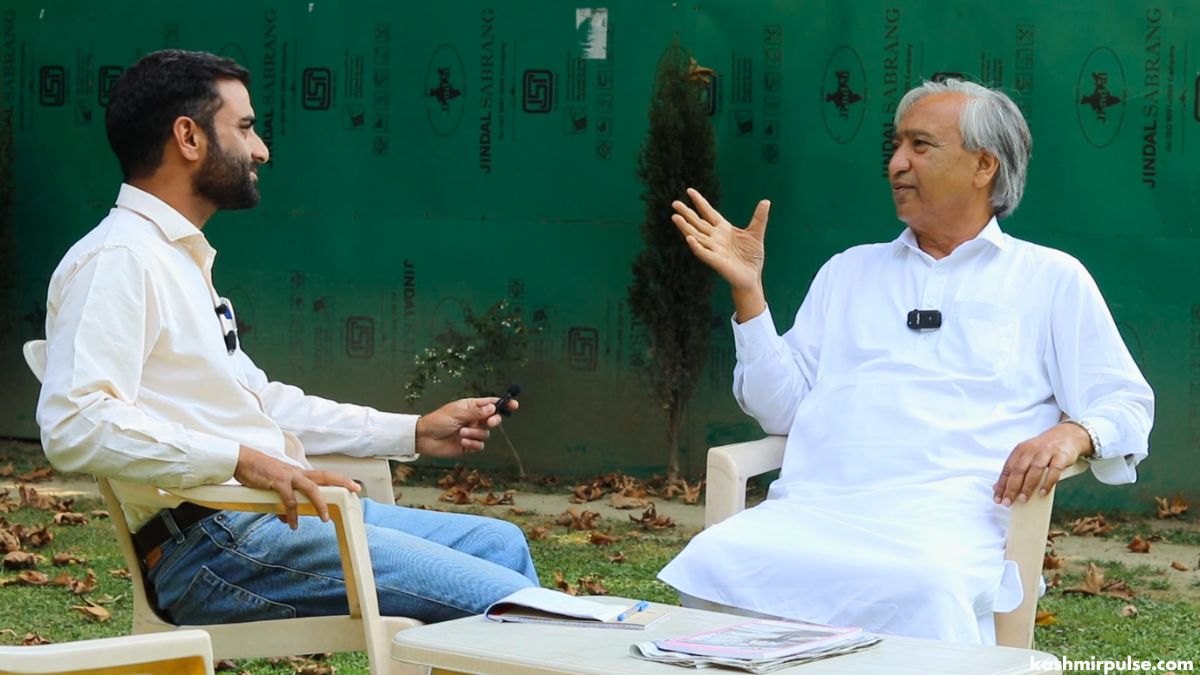
SRINAGAR — Veteran CPI(M) leader Mohammed Yousuf Tarigami, in a candid interview with The Kashmir Pulse, shared a personal and political revelation that he was the first person in Jammu and Kashmir to be detained under the Public Safety Act (PSA).

The interview, conducted by journalist Showkat Dar at Tarigami’s official residence, sheds light on his early years, his arrest under Sheikh Mohammad Abdullah's government, and the origins of his widely recognized surname, "Tarigami."

Recalling his arrest in 1979, Tarigami said, “I was arrested during Sheikh Abdullah’s tenure as Chief Minister. During a press conference, a PTI journalist, P.N. Jalali, asked Sheikh Abdullah about my arrest. Abdullah responded, 'Woh Jo Tarigam Wala,' referring to my native place. From then on, I became known as Mohammed Yousuf Tarigami in the media.”

Tarigami, who has remained a committed member of the CPI(M), spoke about his unshakable faith to the party's ideology. “I see the CPI(M) as a mission, not just a political party. I've never considered leaving, and no one has had the courage or audacity to ask me to switch sides,” he says.

Since 1996, Tarigami has been a consistent winner in his constituency, securing four consecutive terms as an MLA. However, he now faces a formidable challenge from Jamaat-i-Islami-backed independent candidate Sayyar Ahmad Reshi in the ongoing 2024 Assembly elections, with voting held on September 18.

Tarigami also opened up about his personal life. He revealed that he only has a daughter, Arunima, as his immediate family. His wife tragically passed away during childbirth, leaving him to raise their daughter alone. He spoke fondly of his nephew, Fayaz Ahmad, who lives with him and manages the family's ancestral property, land, and orchards. "Fayaz is like a son to me, perhaps even more," he added.

Reflecting on his early days, Tarigami shared anecdotes about his youth, including the time when he would run behind buses for a lift. “I loved walking, sometimes for miles, rather than relying on vehicles. Those were simpler times,” he said.

He also reminisced about walking on foot to Jammu during the militancy in Kashmir and expressed his confusion over why he was forced to leave the Valley at that time.

The interview also touched on Tarigami’s views on the changing politics of Kashmir, the concentration of wealth in a few hands despite India’s growing GDP, and his experiences during Sheikh Mohammad Abdullah’s era.

As the 2024 Assembly elections continue, Tarigami’s legacy and commitment to the CPI(M) remain steadfast, even as he faces new political challenges. He is, however, confident to emerge victorious to continue his fifth term as an MLA.

This post first appeared on The Kashmir Pulse
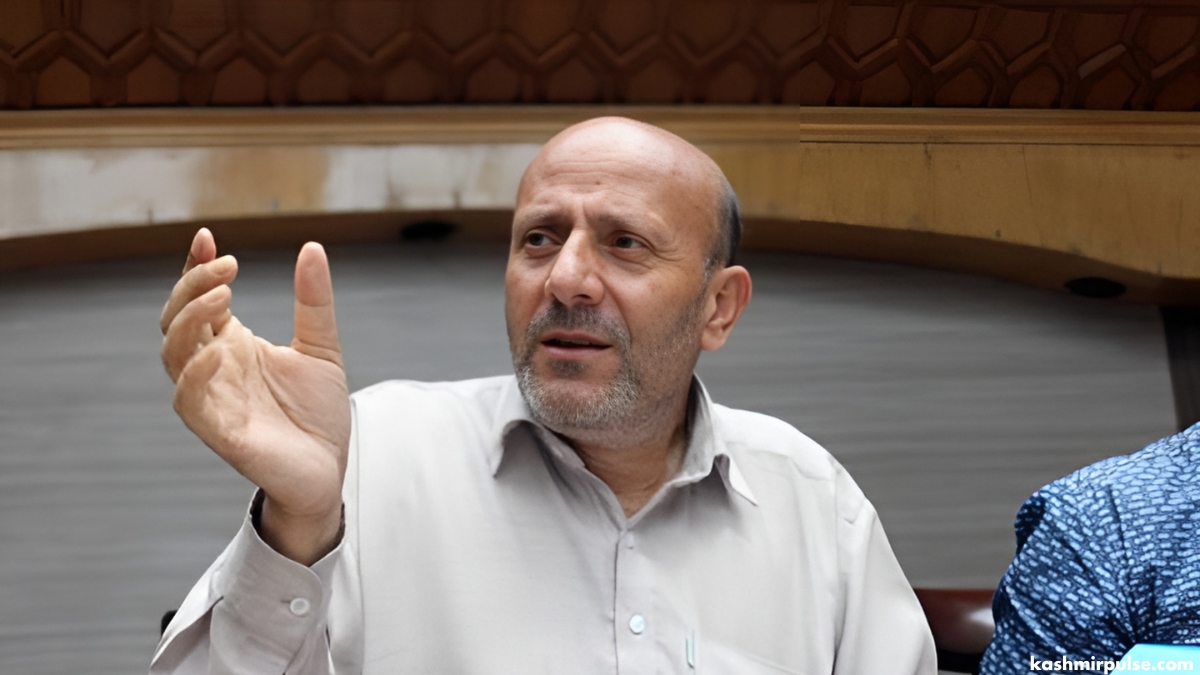
PULWAMA — As the political turf of Jammu and Kashmir intensifies ahead of the upcoming Assembly elections, Waheed-ur-Rehman Para, the Youth Wing President of the People’s Democratic Party (PDP) and the party’s candidate for the Pulwama constituency, spoke in an exclusive video interview on Saturday, offering insights into his political journey, the PDP’s future, and the issues closest to his heart.

Para, who will be contesting in the Assembly elections scheduled for September 18, detailed his motivations for joining the PDP. In conversation with Showkat Dar of The Kashmir Pulse, he explained how witnessing Mehbooba Mufti’s campaigning during a time of deep unrest in the Valley profoundly influenced his decision to align with the party.

“The Valley was gripped by an atmosphere of fear and arrests by the SOG wing of J&K Police, and it was Mehbooba Mufti's campaigns and her commitment to youth empowerment that drew me toward PDP,” Para recalled. He formally joined the party in 2013, recognizing the need to engage young people in a democratic process.

A Youth-Centered Political Vision

Para, who has become a prominent voice for the youth in Kashmir, emphasized that his political involvement stems from a desire to shift perceptions of young Kashmiris. "At a time when youth were often seen as stone-pelters or engaged in violence, I wanted to change that narrative and encourage democratic engagement," Para said.

He believes that while challenges remain, positive changes are beginning to take root. “I am convinced that we are witnessing a shift, and my work will focus on ensuring that this momentum benefits the youth of Kashmir.”

Para is confident that his work with the youth will remain a central part of his political career. "The welfare of the youth will continue to be my priority, as I feel we need to explore better democratic avenues to address the aspirations and frustrations they face."

Addressing the Competition

Regarding the competition he faces from Khalil Bhand, the National Conference (NC) candidate from the same constituency, Para admitted that the battle would be close.

“PDP has a strong base in south Kashmir, and we acknowledge that the competition is tough. However, we are confident that the work done by Mufti Sayeed and Mehbooba Mufti during their tenures will be remembered by the people,” Para stated, noting that the party’s past governance has left a lasting impression.

In addition to discussing the Pulwama constituency, Para also addressed the recent split in Shopian, where several PDP leaders left the party, some joining other political parties and others opting to contest as independents.

“We have to take feedback from the ground, and sometimes, mistakes do happen,” Para said, acknowledging the party's internal challenges. “It is not always possible to keep every member equally satisfied when decisions are made. However, the PDP still has a strong base in Shopian, and efforts are underway to strengthen and unify the cadre.”

Impact of Independent Candidates and Small Parties

With the number of independent candidates and smaller parties, like the Awami Ittehad Party (AIP), contesting in this election, Para admitted there could be an impact on vote shares. “It will certainly split the votes to some degree,” he said. “But it is also the right of every citizen in a democracy to contest, and we respect that right.”

A Vision for Pulwama

Para’s vision for Pulwama extends beyond just the electoral contest. He outlined his plans if elected, focusing on several key areas: addressing the cases of youth imprisoned for political reasons, improving the district’s health sector, ensuring that local residents benefit from the district’s mining contracts, and resolving longstanding drinking water issues.

“The cases of jailed youth (for political reasons) will be my top priority,” Para stated. “We need to work toward resolving these issues so that these young people can lead productive lives.”

Additionally, he stressed the need to develop Pulwama’s healthcare infrastructure, calling it a pressing concern for residents. “There are significant gaps in the health sector, and I will work to bridge those.”

In his vision for the district’s economic future, Para pledged to prioritize local involvement in the allocation of mining contracts, which he sees as a crucial avenue for economic empowerment. “Our people should be the beneficiaries of Pulwama’s natural resources,” he said.

Personal Reflections

The interview also veered briefly into Para’s personal life, touching on his marriage plans. “I have many cases filed against me and have only recently been released from jail,” Para said, alluding to the legal battles he has faced. “Once things normalize, I will be in a better position to make personal decisions in a calmer state of mind.”

Looking Ahead

Given that Waheed-ur-Rehman Para is preparing for the electoral contest in Pulwama, his message remains centered on the youth, their future, and the need for political and economic reforms. His journey from a young observer of Mehbooba Mufti’s campaigns to a key figure in PDP is an indication of the values he champions. Focussed on tackling the pressing challenges, Para is hoping to carry forward the legacy of the PDP, while also forging a path for a new generation of Kashmiri leaders.

This post first appeared on The Kashmir Pulse
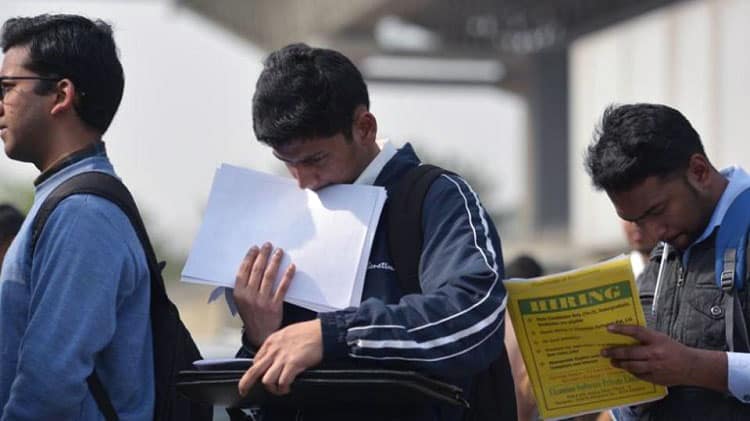
The political scene in Jammu and Kashmir is changing. For years, the usual power players called the shots in the erstwhile State. But now, something unexpected is happening. Engineer Abdul Rashid once pushed to the sidelines, has become a key figure in the Valley's political talks. What makes this even more interesting? He's doing it all from inside Tihar Jail. This turn of events shows just how unpredictable Kashmir's politics can be.

Rashid, after spending five years behind bars under the tough UAPA law, seemed to many like a figure from the past. Yet, his recent win in the Lok Sabha polls beating NC Vice President and ex-Chief Minister Omar Abdullah, has pushed him back into the limelight. Standing as an Independent for the Baramulla seat, Rashid's success goes beyond personal achievement; it shows how unhappy people are with Kashmir's established political parties.

The Awami Ittehad Party (AIP), which Rashid started, has an influence on this feeling. It sees itself as speaking for people who think the NC and the People's Democratic Party (PDP), the usual big players, let them down. Rashid's son Abrar now leads the campaign since his father can't. He's getting people to back them by pointing to his father's ongoing jail time.

What the AIP says hits home with people seeming tired of how things are. The NC and PDP have made promises for years, but many are now fed up. This has opened the door for Rashid to run as an outsider. His son says the coming Assembly vote will change everything for Kashmir. More and more people think that if Rashid gets back into politics, it could mean big changes in how the Valley is run.

The possibility of Rashid getting out of Tihar Jail is hanging in the balance. The AIP has asked for bail, and people think it might happen before the Assembly elections. If this occurs, it could fire up his followers and shake up the long-standing power balance in Kashmir politics.

Still, some questions linger. Can someone who's been in jail for five years charged with funding 'terrorism', lead a political shake-up? Or is his current fame just a flash in the pan driven more by people's frustrations than any long-term political plan?

One thing's for sure: Engineer Rashid has become a rebel figure in a place where staying in politics often means going along to get along. His rise from the edges of Kashmir's political discourse to the center of today's talks shows how politics can change in the Valley. As the Assembly elections get closer, everyone will be watching Rashid and the AIP wondering if this upstart movement can turn popular backing into real political clout.

In the Valley where it's hard to tell heroes from villains, Engineer Rashid's tale shows his toughness, his fight against the system, and his lasting wish for things to get better. From jail or while running for office, he has an impact on what's next for Jammu and Kashmir given the upcoming Assembly elections.

This post first appeared on The Kashmir Pulse

Just some days ago, a video went viral across social media platforms in which a P.hD scholar was seen selling dry fruits on a cart. Every individual having a mic in his one hand and a smartphone in his second hand was taking interviews from him and posing a series of unnecessary, trivial and worthless questions.

These pseudo-journalists, who are completely devoid of journalistic ethics and whose number is surging with each passing day across every corner of the Valley, were trying to garner wide viewership and inviting comments on an issue which is shattering the dreams of thousands of highly qualified and passionate individuals of this region who have burnt their midnight oil only to see themselves earning an honourable livelihood and living a respectable life in their later years.

This video was made viral within minutes and every Tom, Dick and Harry passed comments without realizing the pain these people have been enduring for years after completing their research degrees.

Passing degree after degree and qualifying myriad of exams have left them desperate, hopeless, dejected and downhearted. The degrees, which are in their possession, depict their diligent hard work and a big investment of their parents whose only motive had been to give their children a better education and make them able to earn a decent living.

However, due to meagre opportunities in the government sector and tough competition for every job, they are finding themselves in traumatic conditions where they are unable to understand what to do. Their life has become onerous and arduous, they are considered a burden even by their own family members.

After failing to grab a government job, these highly qualified youth are caught in a tricky situation and spending most of their precious time and years in gaining these qualifications has rendered them to rely on doing some odd jobs like selling dry fruits on a cart, initiating a dairy farm or doing any other business.

Gaining a P.hD degree after strenuous efforts from a university and qualifying the NET or SET—the eligibility exams for lecturership in a college and university—must have ensured a research scholar's job in an educational institution at a teaching position, but due to limited resources and finite avenues, even these highly qualified research scholar's are opting for inapt and ill-suited jobs. Sometimes, the situation takes so ugly a turn that they take an extreme step.

Opting for contractual jobs in colleges and universities is further worsening their condition rather than encouraging them to embrace this somewhat prestigious job. There are many reasons behind this. Lack of job security, disparities in the monthly salaries being paid to them in colleges and universities against what UGC has set in its guidelines and norms and assigning them extra workload in the workplace etc.

After spending years in these educational institutions to impart education and training thousands of students, a contractual lecturer's own future is put at risk because neither there is any policy of absorbing this talented and hardworking workforce in these colleges against vacant positions nor he is given any other grace point to enable him get a job in another department.

Their melancholic tales don't end here, but some of them have old-aged parents to look after and few are married too. The meagre amount paid to them can't bring a minuscule smile to their faces. It becomes tougher for them to manage with each passing day as inflation is touching the skies every other day.

After applying for contractual jobs, only a fixed lot gets an opportunity to work on ad-hoc basis in colleges and universities while the rest of them opt for other jobs. Talking about unemployment isn't the issue of P.hD scholars only, our big chunk of qualified youth are working in private schools too on peanut salaries.

The story doesn't end here rather a big proportion of professionally trained youth are also jobless who roam from pillar to post to get work. From our colleges and universities, an army of unemployed pass-outs are produced each year which adds to the already unemployed kitty of the UT.

To address this issue, the newly introduced NEP 2020 stresses learning skill-based courses while in schools and colleges. It won't transform the system overnight, however, if given a positive direction and implemented judiciously, it can do wonders to redress this grave issue.

The gravity of this problem can be acknowledged by the fact that number of applicants applying is more than a hundred times the number of advertised posts every time when notifications are issued by the recruiting agencies. It is challenging for the authorities to conduct the exams for various advertised posts.

To overcome this growing problem and suggest a lasting solution, every stakeholder including the authorities at the helm must come forward at the earliest to safeguard the future of our educated youth as it becomes challenging for them to tie the nuptial even in their 30s.

Late marriages are becoming a norm now due to this overgrowing issue of our youth. So, we shouldn't act as buffoons and jesters upon seeing them doing some peculiar and eccentric jobs rather we must encourage, inspire and uplift them. It will surely impact them in a positive, pragmatic and productive manner.

This post first appeared on The Kashmir Pulse

For 10 years, I've waded through the ever-churning ocean of Indian cinema. Big-budget spectacles, intimate indies, heart-wrenching dramas – I've seen it all. Yet, nothing quite prepared me for the sheer audacity of "Kalki 2898 AD".

This sci-fi epic, directed by the visionary Nag Ashwin, isn't just a film; it's an event. It's a gamble that's paid off in box office gold, raking in over ₹1,000 crore worldwide as claimed by the film's producers Vyjayanthi Movies in an Instagram post. But beyond the commercial success, "Kalki 2898 AD" forces us to confront a central question: is it a genuine cinematic achievement or a spectacle fueled by VFX?

A familiar mythos, a distant future

The film takes a deep dive into Hindu mythology, weaving the narrative around the prophesied 10th avatar of Vishnu – Kalki. Set in a ravaged future of 2898 AD, Earth is a desolate wasteland. Here, director Ashwin paints a believable picture of a dystopian world – crumbling megacities choked by pollution and a desperate struggle for resources.

Enter our heroes – a ragtag group led by the charismatic (and ripped) Prabhas. Their mission: to protect the reincarnation of Kalki, believed to be the key to humanity's salvation. The supporting cast boasts legends like Amitabh Bachchan and Kamal Haasan, lending gravitas to the narrative.

https://www.youtube.com/watch?v=kQDd1AhGIHk
Kalki 2898 AD Trailer - Hindi

Visual spectacle vs storytelling soul

Let's be honest, the film's biggest draw is its visual effects. The action sequences, particularly the spaceship battles, are a sight to behold. The recreation of a desolate future Earth is both awe-inspiring and unsettling. However, spectacular visuals can only take a film so far.

Here's where "Kalki 2898 AD" stumbles a bit. The narrative, while engaging, feels stretched thin at times. The emotional core, particularly the bond between Prabhas and Deepika Padukone's characters, could have been fleshed out further.

A watershed moment for Indian sci-fi?

Despite these shortcomings, "Kalki 2898 AD" is undeniably a landmark film. It proves that Indian cinema can compete with Hollywood on a visual level. The film's success will surely inspire more ambitious sci-fi ventures in the future.

https://www.youtube.com/watch?v=1BEPDAGR39o

The final verdict

The casting of "Kalki 2898 AD" is a star-studded affair, boasting some of Indian cinema's biggest names. Prabhas, the reigning king of Telugu cinema, brings his signature charisma and action prowess to the role of Bhairava. Amitabh Bachchan, a legend of Indian cinema, lends gravitas and wisdom as the immortal warrior Ashwatthama. Opposite them is Kamal Haasan, another titan of Indian cinema, who portrays the ruthless Supreme Yaskin. Deepika Padukone delivers a powerful performance as SUM-80, the pregnant woman at the center of the prophecy. Disha Patani adds a dash of action heroine flair as Roxie, rounding out this impressive ensemble.

"Kalki 2898 AD" is a visually stunning film with a story that holds promise. While it might not be a flawless masterpiece, it's a sign of exciting things to come for Indian sci-fi. So, is it a celestial spectacle? Not quite. But it's a giant leap forward, and that's something worth celebrating.

Who is Kalki?

Kalki, also called Kalkin, is the prophesied 10th and final incarnation of the god Vishnu. He is described as appearing in order to end the Kali Yuga, one of the four periods in the endless cycle of existence (Krita) in Vaishnava cosmology.

What is Kalki's avatar?

Kalki is described in the Puranas as the avatar who rejuvenates existence by ending the darkest and destructive period to remove adharma (unrighteousness) and ushering in the Satya Yuga, while riding a white horse (Devadatta) with a fiery sword. The description and details of Kalki are different among various Puranas.

Who is playing the role of Kalki in Kalki 2898 AD?

The interesting thing about Kalki 2898 AD is that the role of Kalki isn't played by a single actor. The film is set in a future where Kalki is yet to be born. The story revolves around protecting the unborn child of Deepika Padukone's character, SUM-80, who is believed to be the prophesied Kalki.

When will be Kalki born?

It's important to understand that Kalki 2898 AD is a work of fiction and doesn't depict a real prophecy about Kalki's birth. The movie takes place in the year 2898 AD, and the story revolves around protecting the unborn child believed to be Kalki. This suggests Kalki's birth likely happens sometime after 2898 AD within the movie's universe. However, Hindu scriptures don't provide a specific date for Kalki's arrival. The Kali Yuga, the current age, is believed to last for 432,000 years, and some estimates place the beginning of Kali Yuga around 5,125 years ago. With that timeline, Kalki's arrival would still be far in the future.

Is Kalki 2898 AD a hit or flop?

Kalki 2898 AD is definitely a hit, not a flop. The film has grossed over ₹1,000 crore worldwide, making it one of the highest-grossing Indian films ever. The commercially successful "Kalki 2898 AD" might not be everyone's cup of tea in terms of storytelling, but its financial performance is undeniable proof of its success.

On which OTT will Kalki 2898 AD release?

Kalki 2898 AD is expected to be released on OTT platforms in early September 2024, around 10 weeks after its theatrical release on June 27. Prime Video India will feature it in regional languages including Telugu, Tamil, Kannada and Malayalam while the Hindi version is likely to feature on Netflix India.
This post first appeared on The Kashmir Pulse

PULWAMA — In a significant electoral moment, Kashmir witnessed its first major polls after the abrogation of Article 370, with hopeful residents expressing their aspirations for robust parliamentary representation.

Speaking to The Kashmir Pulse, citizens voiced optimism about electing deserving candidates who would echo their aspirations in the Parliament. Many first-time voters emphasized the importance of having a voice in the Parliament that resonates with their dreams and concerns.

Moreover, there's a palpable desire among Kashmiris for the conduct of assembly elections by the Election Commission of India, enabling the establishment of a local government for addressing grassroots issues.

The Election Commission reported a voter turnout of approximately 36.58% in Srinagar, one of Kashmir's three parliamentary constituencies, by 8 pm on May 13. This turnout is a notable increase compared to previous elections, marking a potential shift in the region's political engagement.

Srinagar, encompassing volatile areas of the city and surrounding districts, has historically struggled with low voter participation. However, Monday's turnout of 36.58% is the highest recorded since 1996, signalling a significant shift in civic participation.

The Lok Sabha Elections 2024 mark a pivotal moment for Kashmir since the BJP-led government's controversial decision to revoke Article 370 in August 2019, altering the region's constitutional status and dividing it into Union Territories.

In this election, the absence of boycott calls is noteworthy, reflecting a renewed sense of political participation among Kashmiris. Srinagar, a bastion of the Jammu and Kashmir National Conference (JKNC), has witnessed keen competition among candidates, including Aga Ruhullah of NC, Waheed-ur-Rehman Para of the Peoples Democratic Party (PDP), and Mohammad Ashraf Mir of the J&K Apni Party (AP) backed by J&K People’s Conference (PC).

The 2024 general election signals a potential turning point in Kashmir's electoral turf, offering residents an opportunity to shape their political future amidst evolving circumstances. With Baramulla and Anantnag-Rajouri set to vote in subsequent rounds, Kashmir's political journey continues to unfold in the post-Article 370 era.

This post first appeared on The Kashmir Pulse
SRINAGAR — J&K political leaders, including Sajjad Gani Lone and Altaf Bukhari, have raised concerns over the arrest and harassment of workers ahead of the polls.

Sajjad Gani Lone, President of J&K Peoples Conference, appealed to the Election Commission and administration to ensure fairness and impartiality, urging them not to target parties selectively.

Echoing his sentiments, Altaf Bukhari, President of the Apni Party, condemned the arrests of their workers and agents, labelling it as a blatant attempt to manipulate the elections.

Both leaders called for the intervention of Lieutenant Governor Manoj Sinha to stop the arrest spree and ensure free and fair elections, emphasizing the need for a level playing field for all political entities.

They accused rival parties like the National Conference and PDP of having deep connections with the administration and orchestrating the arrests to curtail fair competition.

The ongoing arrests have sparked concerns, with the Apni Party warning of a potential boycott if their workers are not released promptly.

Pertinently, Mehbooba Mufti, the President of the Peoples Democratic Party, also accused the UT administration of arresting and harassing their workers ahead of polls in the Srinagar parliamentary constituency.

This post first appeared on The Kashmir Pulse
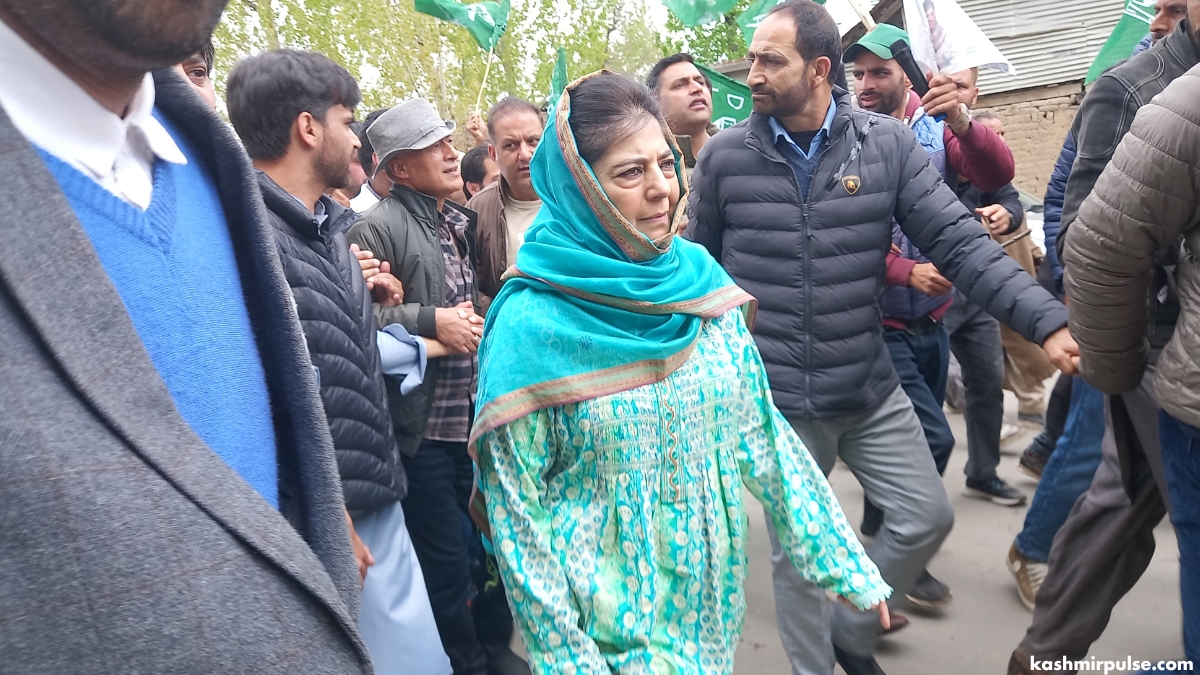
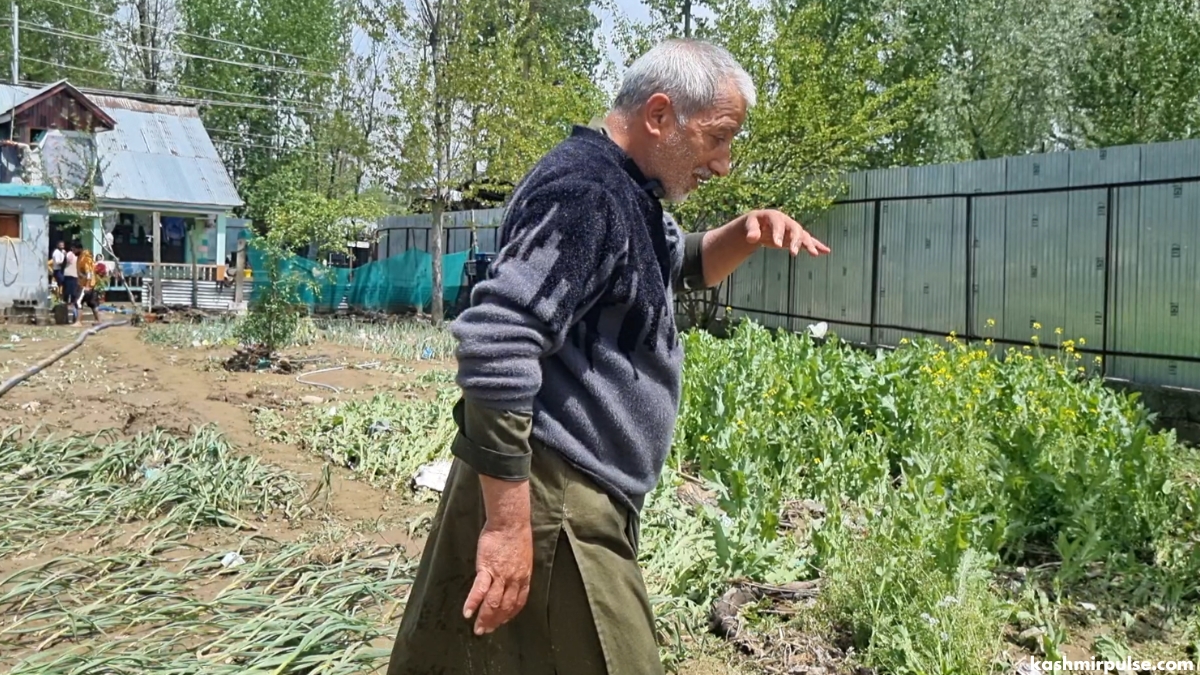
PULWAMA — In a harrowing ordeal for the residents of Tenghar village in southern Kashmir's Pulwama district, a sudden flash flood wreaked havoc, inundating over a dozen homes and causing extensive damage to household belongings late Friday night.

The catastrophe unfolded as incessant rainfall over several days led to a sharp rise in the water level of a nearby river, culminating in a surge of water that breached its banks and surged into residential areas.

Reports indicate that the flash flood, striking around 11 pm, caught residents off guard, triggering panic and chaos as water inundated homes, including toilets and washrooms. The aftermath was extensive damage, with mats, rugs, and other belongings damaged by the muddy deluge.

Furthermore, the agricultural livelihoods of many households suffered a blow, as kitchen gardens and vegetable patches near the riverbanks bore the brunt of the flooding, compounding the residents' woes.

Speaking to The Kashmir Pulse, affected residents lamented the recurrent nature of such disasters and criticized the apparent lack of effective response from the authorities. They recounted previous instances of flooding and highlighted the failure of the administration to address the underlying issues.

Residents described frantic efforts to ensure the safety of their loved ones, particularly women and children, during the night when the flash floods struck. Despite their distress, they noted a lack of official assistance, with only local police providing minimal support.

While employees from the Department of Irrigation & Flood Control visited affected families on Saturday, residents expressed disappointment, stating that officials merely assessed the damage without providing practical assistance such as pumps or cleaning equipment to mitigate the impact of the muddy water inundating their homes.

In the wake of the calamity, residents issued a fervent plea to district authorities, urging swift intervention and the construction of robust defences against potential future flash floods.

This post first appeared on The Kashmir Pulse

PULWAMA — In a significant political development, District Development Council (DDC) Member Javed Rahim Bhat, hailing from Rajpora/Pulwama-B, officially joined the Peoples Democratic Party (PDP) on Friday amidst a fervent gathering at Zaigam village near Rahmoo diversion bridge. Despite heavy rain dampening the spirits of some attendees, hundreds of staunch supporters stood by, expressing solidarity with both Bhat and the PDP.

The event, held at a Zaigam playfield in Rahmoo village, witnessed a surge of attendees eager to witness Bhat's formal induction into the PDP ranks. The atmosphere was electrified as various party stalwarts, including the party President Mehbooba Mufti and Parliament Candidate Waheed-ur-Rehman Para, graced the occasion with their presence.

Speaking to The Kashmir Pulse, Bhat highlighted his deliberative process in choosing a political affiliation, ultimately selecting the PDP due to its alignment with the people's concerns and grievances. He vowed to continue his developmental initiatives within his constituency, emphasizing his commitment to amplifying the voices of the marginalized.

Mehbooba Mufti, addressing the resilient crowd amid the rainfall, underscored the significance of the upcoming Parliament elections in amplifying the Kashmiri narrative. She called upon the electorate to vote en masse, positioning the PDP as the rightful advocate for the region's issues on the national stage. Mufti passionately advocated for the release of incarcerated youth and pledged to champion the genuine grievances of the Kashmiri populace.

Despite the inclement weather, the event served as a testament to the unwavering support for both Javed Rahim Bhat and the PDP, signalling a potential shift in the political turf of Pulwama district. As the political dynamics continue to evolve, Bhat's decision to join the PDP injects fresh momentum into the party's efforts to represent the aspirations of the Kashmiri people.

This post first appeared on The Kashmir Pulse

PULWAMA — The Peoples Democratic Party (PDP) launched its election campaign for the upcoming Lok Sabha elections in Jammu and Kashmir with a vibrant road show stretching from Tahab Crossing, Circular Road Pulwama to Sangam, Anantnag on Tuesday.

Former Chief Minister Mehbooba Mufti and party's youth president Waheed-ur-Rehman Para led the rally, which drew hundreds of enthusiastic participants, predominantly comprised of youth and PDP supporters.

Addressing the media during the event, Mehbooba Mufti extended condolences to the families affected by the recent Batwara Srinagar boat capsizing incident.

She emphasized the historical support from Pulwama, asserting its significance as the starting point of their campaign. Criticizing the current administration, she lamented the alleged transformation of the union territory into an "open jail" under the BJP-led LG regime.

Mufti condemned the shooting of a tourist guide in Shopian, labelling it unfortunate. However, she contested the mass arrests of youth under Public Safety Act (PSA) charges, suggesting it was disproportionate to the incident.

The PDP's election strategy was outlined, with Mufti contesting from the remodelled Anantnag-Rajouri constituency, Para entering the fray from Srinagar-Pulwama, and Fayaz Ahmad Mir standing as the candidate from the north Kashmir constituency.

The PDP's decision to contest independently follows a public fallout with the National Conference despite their previous alliance in the INDIA coalition.

The upcoming polls, commencing on April 19, will witness prominent contenders including former Chief Minister Ghulam Nabi Azad and veteran National Conference leader Mian Altaf.

Jammu and Kashmir's electoral landscape has undergone significant changes with the state's transition to a Union territory. The redrawing of constituencies, including Anantnag, aims at achieving parity in representation between Kashmir and Jammu divisions.

Mehbooba Mufti's stronghold in south Kashmir is pivotal for the PDP's electoral prospects, having secured parliamentary victories in 2004 and 2014. South Kashmir's allegiance to the PDP played a crucial role in the party's ascent to power in the 2014 assembly elections.

The Anantnag constituency, emerging from the delimitation exercise, will go to polls on May 7, reflecting the evolving political dynamics in the region.

Political observers anticipate a fiercely contested electoral battle, with each party vying to consolidate its traditional support bases amidst shifting demographics and geopolitical changes.

This post first appeared on The Kashmir Pulse

PULWAMA — Concerns escalate in the village of Bellow Dergund, Rajpora area of Pulwama district, as health officials investigate a surge in jaundice cases, particularly among children. The outbreak has prompted urgent action from local authorities following an order issued today by Tehsildar Rajpora.

The order, issued by the Government of Jammu and Kashmir's Revenue Department, directs the deployment of a specialized team to conduct comprehensive testing of the drinking water in the affected village. The team, under the supervision of the concerned authorities, is tasked with analyzing potential contaminants and factors contributing to the spread of the disease. A detailed report outlining findings and recommendations for remedial and preventive measures is expected.

A joint visit by health and Public Health Engineering (PHE) department officials, including BMO Rajpora, was conducted on Friday as per the directive of Tehsildar Rajpora. This visit aimed to assess the situation firsthand and address grievances voiced by villagers regarding the jaundice outbreak.

According to reports, the outbreak has resulted in numerous children being admitted to local hospitals including District Hospital Pulwama. This follows a similar incident in March 2024, where nine individuals tested positive for jaundice in the Dergund Bellow area.

Residents attribute the outbreak to contaminated water supplied from a tubewell. Despite promises of a new water supply scheme, locals claim no action has been taken, and the water tank has remained uncleaned for several years.

An official from the Jal Shakti Department clarified that the village previously received water from both a spring and a tubewell. However, the tubewell recently collapsed, leading to concerns over water safety.

As the authorities continue to investigate the outbreak, the situation remains under close scrutiny as officials are tasked to address the immediate health concerns and implement long-term solutions to prevent future outbreaks.

This post first appeared on The Kashmir Pulse
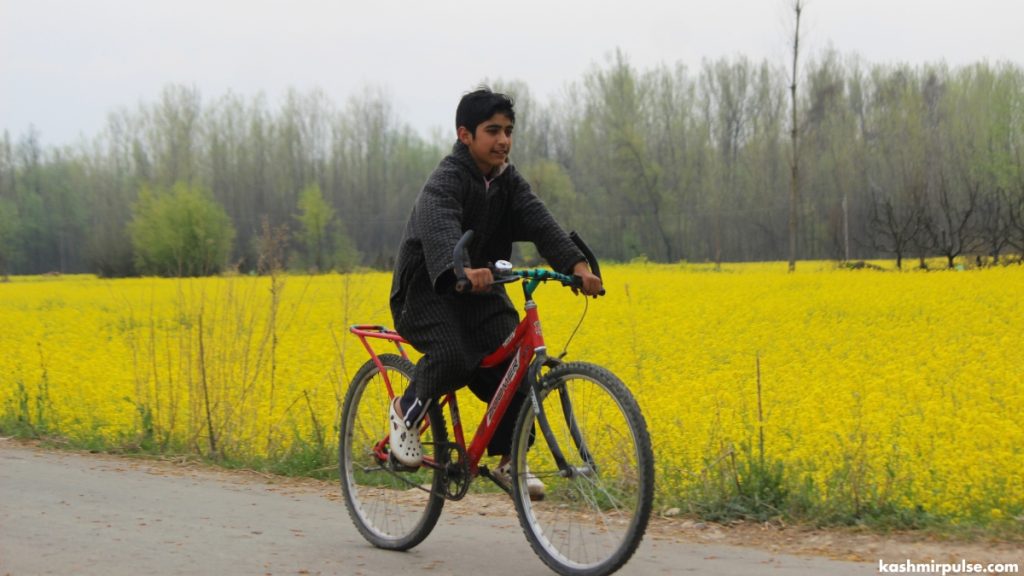
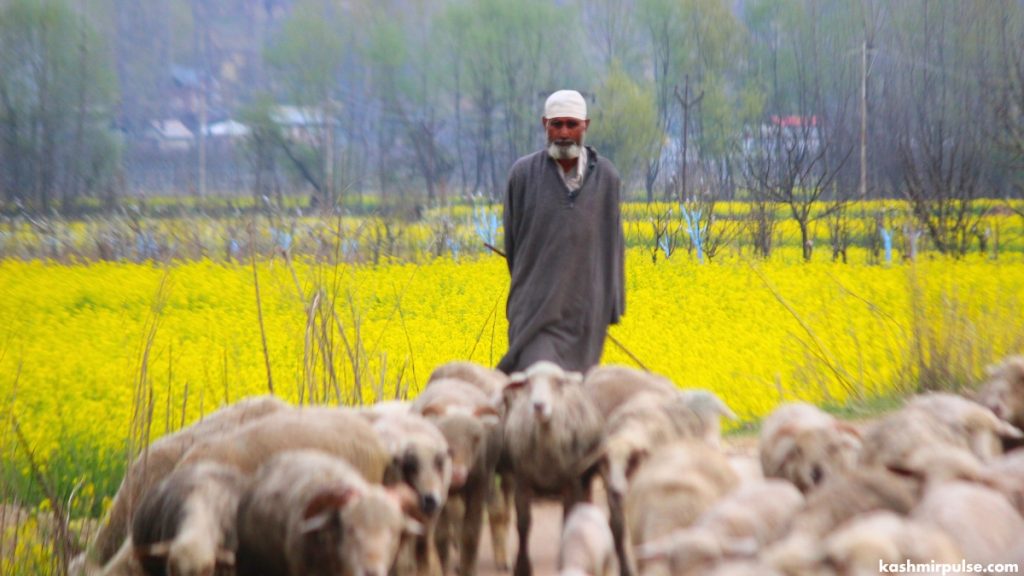
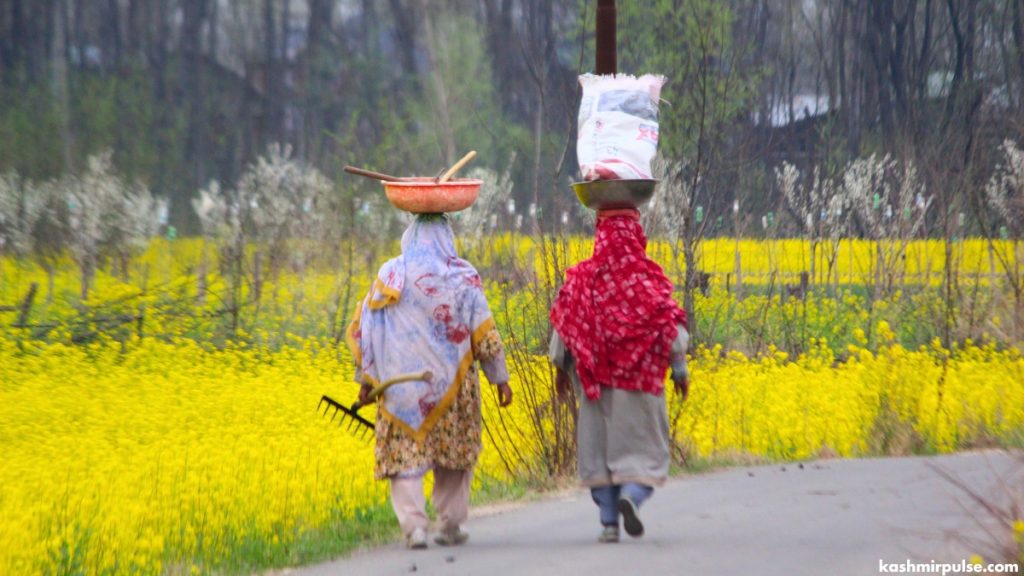
PULWAMA — As the chill of winter gradually yields to the gentle warmth of spring, the picturesque landscape of Kashmir undergoes a remarkable transformation, painting a vivid tapestry of colours and life. Amidst the breathtaking scenery of the Pulwama district, Journalist Reshi Irshad captures the essence of this seasonal shift through a series of captivating photographs.

In the first image, the vibrant mustard blooms against the backdrop of an apple orchard, a grand mosque, and quaint residential structures in a Pulwama village create a scene straight out of a postcard. The fusion of nature's hues with the architectural and cultural heritage of the region epitomizes the charm of Kashmir in springtime.

Vibrant mustard blooms against the backdrop of an apple orchard, a grand mosque in a Pulwama village

In the second photograph, a young boy adds a touch of innocence and joy to the landscape as he navigates the narrow lanes of a Pulwama village on his bicycle, with the golden mustard fields stretching endlessly behind him. His carefree spirit mirrors the sense of rejuvenation that accompanies the arrival of spring.

A young boy adds a touch of innocence and joy to the landscape as he navigates the narrow lanes of a Pulwama village on his bicycle, with the golden mustard fields stretching endlessly behind him

The third image offers a glimpse into the pastoral life of Kashmir, as a man tends to his sheep herd against the backdrop of mustard blooms lining the roadside. Amidst the verdant fields and blossoming flowers, the timeless bond between man and nature unfolds, symbolizing resilience and harmony.

A glimpse into the pastoral life of Kashmir, as a man tends to his sheep herd against the backdrop of mustard blooms

Finally, in a testament to the indomitable spirit of Kashmiri women, the fourth photograph portrays two women returning home after a day of hard work in their vegetable garden. Against the backdrop of mustard blooms, their weary yet determined strides reflect the perseverance and strength ingrained in the fabric of Kashmiri society.

Two women returning home after a day of hard work in their vegetable garden

As Kashmir welcomes the arrival of spring, these evocative images serve as a reminder of the region's enduring beauty and the timeless rhythms of life that unfold with each passing season. Through the lens of Journalist Reshi Irshad, Pulwama's landscape comes alive with the promise of renewal, inviting all to witness the magic of nature's symphony in full bloom.

This post first appeared on The Kashmir Pulse
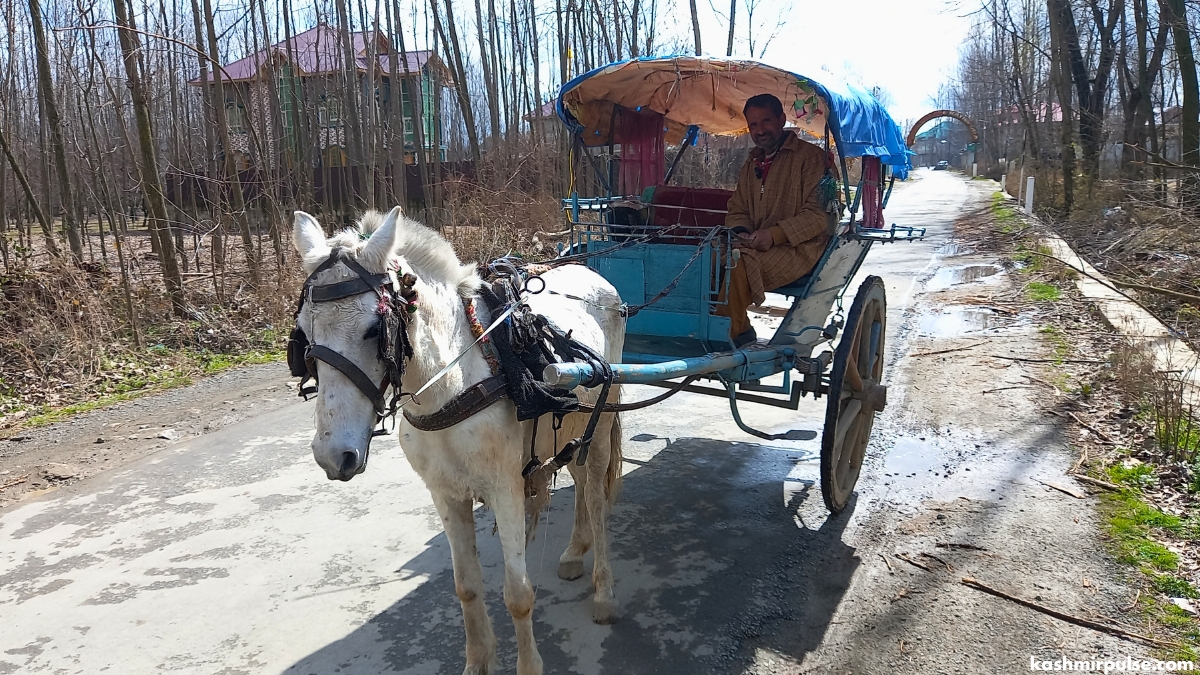
PULWAMA — Amidst the hustle and bustle of modern transportation on the Pulwama-Srinagar road, Gulzar Ahmad, also known as Ghulam Mohammad, stands out with his horse-cart, offering passengers a nostalgic journey from Ratnipora village to Pahoo area.

Ahmad, a resident of Pahoo, has been ferrying passengers and various goods or commodities on his horse-cart daily, providing a traditional means of transport in an era dominated by motor vehicles. His route, particularly from Ratnipora to Pahoo, fills a void for passengers who struggle to find convenient transport options.

With a daily income ranging between 500 to 600 rupees, Ahmad remains steadfast in his traditional livelihood despite the challenges posed by modernity. Reflecting on the changing times, he reminisces about the days when there were 30 to 40 horse carts operating on the route, but now, modern vehicles have surpassed them.

"I hardly manage to run my household with the increasing inflation," Ahmad laments, highlighting the financial strain faced by traditional daily wagers like himself.

Yet, Ahmad finds solace in the reactions of passengers, especially children, who are fascinated by the sight of the horse-cart. Recounting an incident where a man, despite owning a luxury car, requested a ride for his family, Ahmad notes the yearning of Kashmiri adults to relive the past and introduce their children to traditional modes of transportation.

"Some people crave to ride a horse cart," Ahmad remarks, emphasizing the enduring appeal of the traditional experience.

While the march of modernity has seen many horse-cart owners transition to other occupations, Ahmad remains committed to preserving a piece of Kashmir's heritage on the roads of Pulwama. His horse-cart not only offers practical transportation but also serves as a reminder of simpler times in the midst of today's fast-paced world.

This post first appeared on The Kashmir Pulse
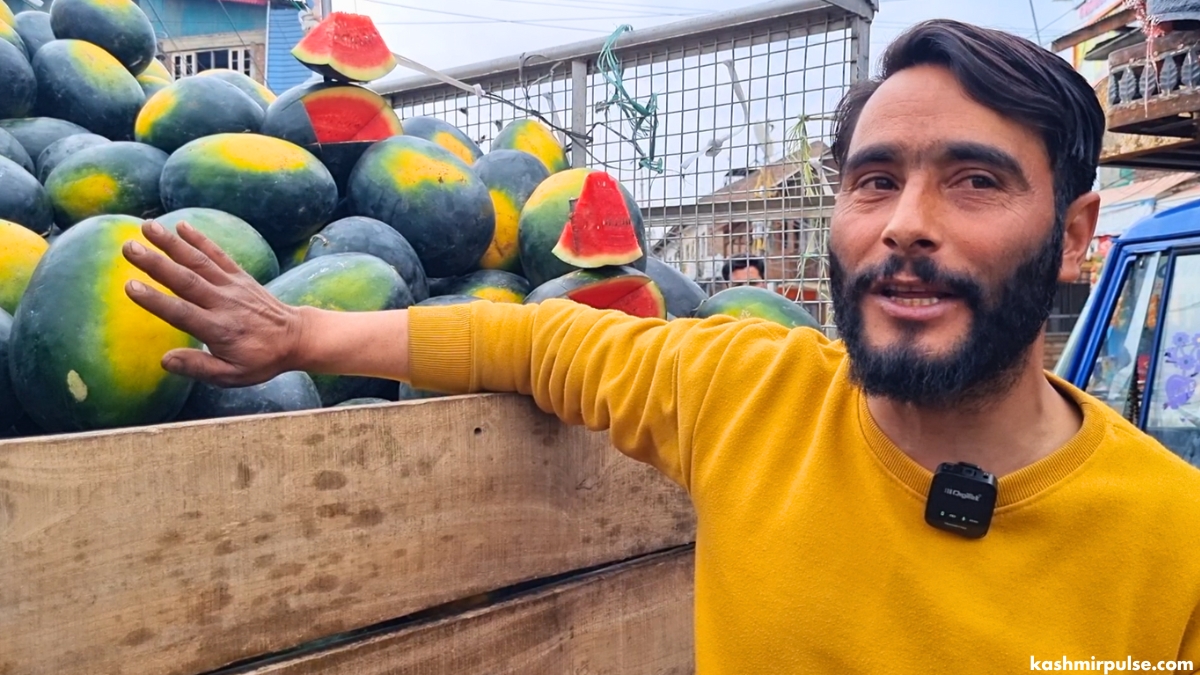
PULWAMA — A social media storm ignited by a tweet from Dr Wajahat (MD), warning against the consumption of artificially ripened watermelons during Ramadan, has led to widespread confusion and financial strain for watermelon vendors in Kashmir.

The controversy began when Dr Wajahat's tweet gained traction, urging consumers to boycott watermelons purportedly artificially ripened with chemicals. The tweet resonated with many netizens, sparking fear and scepticism among residents ahead of the Ramadan.

However, a subsequent investigation by The Kashmir Pulse news portal revealed conflicting perspectives. Speaking to local vendors and traders, they vehemently denied the existence of injected watermelons, dismissing Dr Wajahat's claims as misinformation.

"We have been selling watermelons for years, and there's no truth to these allegations. Our livelihoods are at stake because of baseless rumours spread on social media," expressed one vendor, echoing the sentiments of many in the community.

Seeking clarity, reporters from The Kashmir Pulse approached doctors at District Hospital Pulwama for expert opinion. However, they declined to comment, citing a lack of scientific evidence to support the notion of artificially ripened watermelons.

In response to mounting concerns, the J&K Food and Drugs Department stepped in, collecting samples of watermelons for testing to ascertain the veracity of the claims. The results of these tests are awaited and are anticipated to shed light on the ongoing controversy.

Amidst the uncertainty, vendors expressed frustration over the financial impact of the controversy. "Our sales have plummeted since these allegations surfaced. We urge the public to rely on real-life facts rather than succumbing to the influence of social media warriors," pleaded another vendor.

The polarizing nature of the issue has left consumers torn between caution and scepticism, highlighting the power and pitfalls of social media discourse in shaping public opinion.

As the investigation unfolds, residents of Kashmir remain vigilant, awaiting conclusive evidence to put to rest the swirling rumours surrounding the safety of watermelon consumption during Ramadan.

This post first appeared on The Kashmir Pulse
PULWAMA — During his visit to Jammu and Kashmir on Thursday, Prime Minister Narendra Modi engaged with locals at the Viksit Bharat Viksit Jammu Kashmir event in Srinagar, where he interacted with Nazim Nazir Dar, a Pulwama-based beekeeper and beneficiary of the Viksit Bharat programme.

Nazim, who caught the prime minister's attention, recounted his journey from a small-scale beekeeper to a successful entrepreneur.

He informed PM Modi that he initially received a 50 per cent subsidy for 25 boxes of bees in 2019. Since then, his beekeeping business has flourished, with the assistance of the Prime Minister's Employment Generation Programme (PMEGP), which provided him with Rs 5 lakh. This support enabled him to expand his enterprise, leading to significant growth.

"In 2023, I sold about 5,000 kg of honey along with 2,000 honeycombs," Nazim shared with the prime minister, highlighting his remarkable progress in the apiculture sector. He also mentioned his efforts to involve others in beekeeping, with 100 individuals currently engaged in his business.

Impressed by Nazim's achievements, PM Modi shared a photo with him, referring to Nazim as his "friend" and commending him for the "good work" he is doing.

https://twitter.com/narendramodi/status/1765663162651881714

Modi expressed his admiration in a tweet, saying, "A memorable selfie with my friend Nazim. I was impressed by the good work he’s doing. At the public meeting, he requested a selfie and was happy to meet him. My best wishes for his future endeavours."

Nazim's journey from humble beginnings to entrepreneurial success serves as an inspiring example of the transformative impact of government initiatives and individual determination in fostering economic growth and empowerment in the region.

This post first appeared on The Kashmir Pulse
PULWAMA — Mohammad Yaqoob Bhat, an orchard owner in southern Kashmir's Pulwama district, expressed dismay on Wednesday as thieves ravaged his high-density apple orchard in a daring overnight raid.

Situated in Pirpora area of Arihal village, Bhat reported that approximately 30 to 35 high-density apple trees, planted two years ago and already yielding produce, were forcibly uprooted with shovels during the dark hours between Monday and Tuesday.

The financial blow is severe for Bhat and his family, who invested heavily in the orchard using proceeds from his wife's jewellery. He estimated the loss to exceed one lakh rupees, undermining their hopes for a better quality of life.

Expressing suspicion, Bhat suggested the involvement of local drug addicts, citing the audacity required for such a brazen act under the cover of night.

In a plea for assistance, Bhat called upon district authorities and law enforcement to take swift action, urging the police to apprehend the perpetrators and seek justice for the theft.

The incident resonates beyond Bhat's personal loss, signalling a broader concern in southern Kashmir, where many farmers have transitioned to high-density apple cultivation.

Following the introduction of high-density plantations in 2015-2016, the region has witnessed a shift away from traditional apple varieties to more modern cultivars from around the world.

This post first appeared on The Kashmir Pulse

PULWAMA — Following an extended winter hiatus prompted by heavy snowfall, educational institutions across the Kashmir division including the southern Kashmir's Pulwama district resumed operations on Monday.

Students from classes up to 8th standard enjoyed a winter vacation since November 28 of last year, while classes 9th to 12th commenced their break from December 11.

Despite the delay, both government and private schools were eager to resume regular classes and ensure the continuity of their students' education.

According to local media reports, students from all districts in Kashmir were witnessed heading towards their respective educational institutions, displaying great joy and excitement as they embarked on their first day back after the winter break.

"I am delighted that we are back to school. It was tedious to stay at home for such a prolonged period," stated Mohammad Danish, a student from a private school in Pulwama, while speaking to The Kashmir Pulse.

Mehreen Jan, another student, expressed her happiness at reuniting with her friends on the first day of school after winter vacations.

"After a gap of three months, I have returned to school. I have missed my teachers and friends. I feel immensely joyful to finally meet them after such a long duration," she exclaimed.

This post first appeared on The Kashmir Pulse

PULWAMA — Shugufta Akhter, a 25-year-old resident of Sangerwani Pulwama, has emerged as a beacon of women's empowerment in her community through her pioneering efforts in beekeeping. After completing her higher secondary education, Shugufta embarked on a journey to revitalize the organic honey industry in the region.

With determination as her guiding force and the support of the National Rural Livelihood Mission (NRLM) under the Umeed scheme, Shugufta not only breathed new life into the honey-making business but also encouraged and mentored other women to participate, leading them towards success.

"I am grateful to the government and NRLM for providing opportunities for self-sufficiency," Shugufta expressed, reflecting on her journey since joining NRLM in 2021.

Shugufta Akhter's venture has not only enabled her to support her family but has also positioned her as a mentor within the beekeeping community. Emphasizing the convenience of fulfilling customer orders via phone requests, she underscores the significance of providing pure, unadulterated honey to meet the surging demand.

Beyond catering to local needs, Shugufta has expanded her reach by parcelling honey to other states of India, further amplifying her impact on the honey industry.

Through her dedication and entrepreneurial spirit, Shugufta Akhter continues to inspire and uplift her community, setting a remarkable example of empowerment and economic sustainability.

This post first appeared on The Kashmir Pulse

PULWAMA — In the Arampora vicinity of Arihal village in south Kashmir's Pulwama district, a Primary Health Centre (PHC) building completed in 2016 by the Jammu & Kashmir Housing Board stands abandoned, stirring frustration among residents.

Despite its construction, the PHC remains idle, forcing the local community to rely on a makeshift three-room Panchayat facility. The lack of adequate space has rendered much of the medical equipment defunct, compelling residents to seek even minor healthcare services at the District Hospital Pulwama.

Repeated appeals to authorities have fallen on deaf ears, prompting Arihal's Lambardar, Irshad Farooq, to take decisive action. Witnessing illicit activities plaguing the unused building, including drug abuse and gambling, Irshad locked its gates to deter further degradation.

Irshad's efforts, along with advocacy from The Kashmir Pulse news portal, spurred action from local officials. Deputy Commissioner Pulwama, Dr Basharat Qayoom, pledged to address the grievances promptly upon being approached.

Subsequently, on February 15, Block Medical Officer Rajpora, Dr Jawahira Akhter, and concerned officials visited the PHC building, vowing to expedite its functionalization within a week or two. In response, residents, including the Lambardar, initiated a cleanliness drive within the premises on February 16, buoyed by the authorities' assurance.

However, residents are urging officials to honour their commitment and avoid further delays in making the PHC Arihal operational, emphasizing the need for tangible progress over promises.

This post first appeared on The Kashmir Pulse

PULWAMA — A marriage hall in Bellow village of Pulwama district, left unused since its construction in 2005 due to administrative neglect, has seen a transformative cleanup effort following the intervention prompted by the coverage on our news portal The Kashmir Pulse.

The neglected state of the marriage hall, originally built after the village's recognition as a model village, drew attention after residents expressed frustration over its disuse and deteriorating condition. Mushtaq Ahmad Mir, a local resident, voiced disappointment over the building's state, citing administrative inaction despite repeated pleas for assistance.

The absence of a protective wall on the hall's backside had allowed it to become a dumping ground for garbage, exacerbating its decline. Elderly villagers echoed sentiments of despair over the structure's neglect, highlighting the urgent need for action.

In response to the heightened attention, the local administration, particularly District Commissioner Pulwama Dr Basharat Qayoom, directed Block Development Officer Tawqeer Ahmad to take immediate action within 24 hours. The Block Development Officer promptly initiated a cleanup operation, utilizing machinery to remove garbage from the premises.

Locals praised The Kashmir Pulse for highlighting their grievance, which spurred the administration into action. Additionally, they commended the efforts of village-level worker Jahangir Ahmad, who reportedly spent personal funds to facilitate the cleanup.

Residents expressed gratitude towards the Deputy Commissioner, Block Development Officer, and village-level worker for their swift response, urging authorities to expedite the hall's usage to prevent further deterioration and misuse by anti-social elements.

Shabir Ahmad Mir, a resident, suggested repurposing the structure into a Public Health Centre to enhance healthcare services in the area, signalling potential future developments for the facility.

This post first appeared on The Kashmir Pulse
Powered by Blogger.