SRINAGAR — The ongoing holy month of Ramadhan has entered its final Ashra (10 days) and thousands of Muslims began to observe Aitikaf in Masjids and Shrines from Friday evening.
The month of blessings, Ramadhan, in the Islamic calendar is divided into three parts of 10 days with each stage called an Ashra, a word meaning “10” in Arabic. The third Ashra begins on the 20th day of Ramadhan as sunsets.
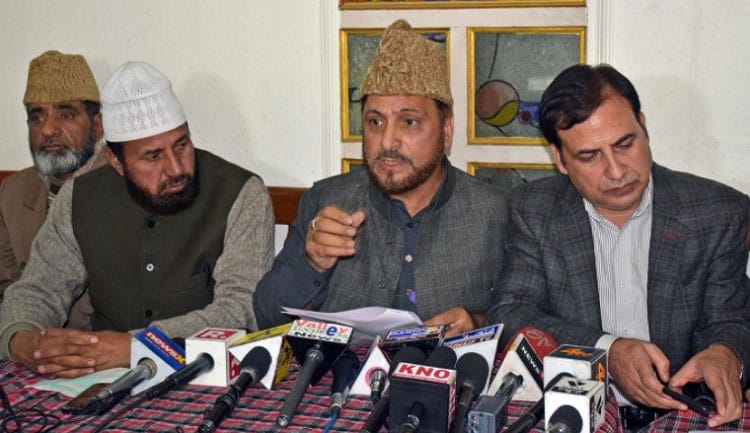
“The first Ashra reflects mercy of Allah (Rehmah), second part reflects forgiveness of Allah (Maghfirah), and third part reflects safety from the hell (Nijaat),” J&K Grand Mufti Nasir-ul-Islam told KNS.
He said these last 10 days are also known as the days of seeking refuge from hellfire. “These last 10 days of Ramadhan are very significant as they are when Laylat-ul-Qadr takes place. The holy night of Laylat-ul-Qadr commemorates the night when the Qur'an was first revealed. This holy night has to be sought in the last 10 days of the odd nights,” he said.
As per Islamic scholars, the greatest Sunnah of the last 10 days of Ramadhan is the observance of Aitikaf. “The Aitikaf begins on the 20th day of Ramdhan with the sunset. In Aitikaf, all the time that a Muslim spends is in the worship of Allah Almighty to ensure that Allah grants forgiveness and blessings to the seeker,” the Grand Mufti said.
He added that no one knows whether they will be alive for the next Ramadhan or not, “therefore, the last 10 days should be spent in the best manner to bid farewell to this holy month and earn maximum blessings and mercy from Allah.”
Quoting Hadith, he said: “Ramadhan is the month, whose beginning is mercy, its middle is forgiveness and its end is emancipation from the fire of hell.”
He said indeed the month of Ramadhan is full of blessings, mercy and forgiveness. “It is the best opportunity for all the Muslims to collect more blessings of Allah and pray for their forgiveness and to be saved from the hellfire during this final Ashra of ongoing Ramadhan.”
He reiterated his appeal to Muslims for paying Sadaqat-ul-Fitr, also known as Zakat-ul-Fitr, by or before Eid prayers, the best within these 10 days. The amount has been fixed at Rs 65 per person for this year.
This post first appeared on
The Kashmir Pulse