PULWAMA — Aamir Hamid Wani, a young talent from Dadoora village of southern Kashmir's Pulwama district, has made history by becoming the first player from Jammu and Kashmir to be selected for the Pro Kabaddi League (PKL) with a base price of Rs 9 lakh.

Aamir, while speaking to the news agency KNO from Mumbai, said his passion for kabaddi began in childhood.

He has been training at Mid Line Academy in Mumbai for the past four years, working hard and playing at various levels before being picked by the Jaipur Pink Panthers in the PKL auction. "I am confident that I will perform well in the upcoming competitions. My ultimate goal is to represent India," he said.

Aamir expressed his gratitude to his coach, Aniket Mhatre, and the J&K Kabaddi Association for their support during his journey.

He said that while Jammu and Kashmir has indoor stadiums, most youth in the region are more interested in cricket, with Kabaddi receiving much less attention. "There is immense talent in J&K. If youth get interested in Kabaddi and are properly nurtured, they can achieve great things," he added.

His father, Abdul Hamid Wani, said Aamir's passion for Kabaddi was first recognised by a Physical Education Teacher, Faisal, at Government Degree College Pulwama.

"Faisal Sahab encouraged Aamir to pursue the sport and took him to Srinagar for training. After a year, Aamir moved to Mumbai to follow his dreams, facing numerous challenges, including financial difficulties. To support himself, my son sold dry fruits while training at his academy in Mumbai," he said.

Wani also credited coach Aniket Mhatre for playing a crucial role in Aamir's development and helping him achieve this milestone. He urged the government to develop better sports infrastructure in Jammu and Kashmir, saying there is an untapped potential for many talented youth in the region who could represent the country at various levels.

Aamir has already represented J&K in the Yuva Kabaddi Series held in Ayodhya, Uttar Pradesh in 2021.

The Pro Kabaddi League, also known as Vivo Pro Kabaddi for sponsorship reasons, is India’s premier professional Kabaddi league. Launched in 2014, it is the most popular Kabaddi league in the world and the second most-watched sports league in India after the Indian Premier League (IPL). The current champions of PKL are Puneri Paltan.

This post first appeared on The Kashmir Pulse

MUMBAI — National Conference patron and former Chief Minister of Jammu and Kashmir and incumbent parliament member Dr Farooq Abdullah, whose unexpected comments usually snowball into a controversy, in a shocking revelation at an event in India’s commercial capital Mumbai while justifying his father’s over-a-decade-long incarceration said that he never blamed Jawaharlal Nehru for this.

Abdullah, as per the news agency KNT, virtually justified the arrest of National Conference founder Sheikh Muhammad Abdullah, saying that Nehru might have arrested him in the national interest and he never blamed or talked about this arrest.

“Nehru might have a better understanding and he might have known it well why he arrested my father and I never blamed him for his arrest,” Abdullah said while speaking at an event in Mumbai to commemorate birth centenary celebrations of Madhu Dandavate who was an Indian physicist and socialist politician, who served as Minister of Railways in the Morarji Desai ministry, and as Minister of Finance in the V P Singh ministry.

In 1953, the then Prime Minister of Jammu and Kashmir Sheikh Muhammad Abdullah was arrested from Gulmarg for alleged anti-India activities. Following the dismissal of Sheikh Abdullah, his associate Mirza Afzal Beigh formed the Plebiscite Front on August 9, 1955, demanding a plebiscite to decide the accession of Jammu and Kashmir and the unconditional release of Sheikh Abdullah.

National Conference stalwarts frequently blame Nehru for his arrest and term it as ‘undemocratic and unconstitutional’. It’s probably the first time that Dr Farooq Abdullah has justified his father’s arrest at the hands of India’s first Prime Minister in 1953.

Abdullah at the event, which was graced by top-notch politicians, showered a heap of praises on Nehru and Indira Gandhi, calling them the architects of modern India.

He said the contributions of Nehru and Indira are being ignored and more stress is laid on religion and regionalism which according to him is not in the interest of developing India.

This post first appeared on The Kashmir Pulse

People seeking a more fluid and social place to get work done increasingly turn to coworking facilities. With the development of telecommuting, freelancing, and entrepreneurship, coworking spaces have become famous for anyone seeking a productive, collaborative, and creative workplace. This article will discuss who is adopting the best coworking spaces in Mumbai (India) from independent contractors to large corporations and why.

The Growth of Independent Contractors and Telecommuters

Freelancers and other independent contractors are a significant demographic of coworking space users. They would do this since their jobs can be performed from anywhere with an internet connection. Working from a coworking space provides freelancers and remote employees various benefits, including the chance to network with like-minded individuals.

Why Do Independent Workers Prefer Shared Office Spaces?

Coworking spaces provide freelancers with a professional and exciting place to get work done without the distractions and loneliness that often come with working from home. Freelancers may network, work together on projects, and pool their resources thanks to the community they provide. Freelancers can benefit from working in a more organized setting like a coworking space, boosting their productivity and concentration.

The Rise of Coworking Spaces as an Alternative for Small Businesses and Startups?

Many startups and small enterprises also rely on coworking spaces. Coworking spaces provide a low-priced alternative to traditional office leases for startups and small businesses. Additionally, companies can benefit from the community offered by coworking spaces by making connections with other professionals, receiving guidance from mentors, and participating in business-building events.

Is There a Heavenly Match Between Corporations and Coworking Spaces?

Corporations have joined the ranks of those who employ shared office spaces in recent years. Given the stereotypical image of a stuffy office building, this may come as a surprise. However, more businesses are beginning to see the merits of coworking spaces, such as adaptability, financial savings, and access to a broader range of employees. Larger companies might benefit from coworking spaces by providing their staff with exposure to fresh ideas and methods of working.

The Case for Coworking Spaces as an Innovation Tool in Businesses

Growth and competitiveness rely on corporate innovation, yet it can be difficult for businesses to cultivate a culture of innovation in the conventional workplace. Coworking spaces provide a solution to this problem by fostering an atmosphere that encourages interaction and cooperation among workers. Companies can benefit from this by being exposed to novel ideas, technologies, and methods of operation.

Why Larger Businesses Should Use Coworking Spaces?

Larger businesses have plenty to gain from coworking spaces and not only the innovation they provide. For instance, they can lessen real estate expenditures by ensuring that businesses lease only as much office space as they actually require. By providing a more stimulating and exciting place to work, coworking spaces can also boost employee motivation. Last but not least, coworking spaces can aid businesses in attracting and retaining top talent by providing a supportive and adaptable workplace.

Shared Office Spaces for Specialized Businesses and Neighbourhoods

Coworking spaces are becoming increasingly useful for the specific requirements of niche sectors and communities. Here, we'll discuss why coworking spaces are so attractive to specific groups.

The Creative Economy

Professionals in the arts, design, and writing often find coworking spaces to be ideal. It's important to provide these professionals with a setting that encourages both individual and group efforts. They can meet other creatives and develop their ideas in a stimulating and motivating setting at a coworking space.

Startups in The Technology Industry

Coworking spaces are useful for many different types of communities, including IT businesses. Coworking spaces can provide the adaptable and scalable environment that these types of enterprises need to thrive. They have access to cutting-edge resources and tools and can build connections with like-minded businesspeople and financiers.

Charity Organizations

Businesses with a focus on doing good for society and the environment are called "social enterprises." As they create a setting that encourages teamwork and new ideas, coworking spaces may be ideal for such groups. Many socially aware people who want to promote and participate in constructive social change congregate there.

Health Care Providers

Wellness practitioners, such as Yoga instructors, therapists, and dietitians, may also find a home in coworking spaces. Coworking spaces can provide the quiet, stress-free environment that these professionals so desperately need. They can also team up with other health experts to provide more comprehensive care.

Charitable Groups

Because of their lower budgets and greater need for efficiency, non-profits can reap the benefits of shared office space. A coworking space can give them a place to work professionally, use meeting rooms, and introductions to others who share their passion for helping the community.

Conclusion

Shared office spaces are useful for more than just solopreneurs and startups. They may be well suited to specialized fields and communities that value unique amenities and connections. Coworking spaces, thanks to their adaptability and emphasis on teamwork, have the potential to boost productivity, originality, and even social good.

This post first appeared on The Kashmir Pulse

People seeking a more fluid and social place to get work done increasingly turn to coworking facilities. With the development of telecommuting, freelancing, and entrepreneurship, coworking spaces have become famous for anyone seeking a productive, collaborative, and creative workplace. This article will discuss who is adopting the best coworking spaces in Mumbai (India) from independent contractors to large corporations and why.

The Growth of Independent Contractors and Telecommuters

Freelancers and other independent contractors are a significant demographic of coworking space users. They would do this since their jobs can be performed from anywhere with an internet connection. Working from a coworking space provides freelancers and remote employees various benefits, including the chance to network with like-minded individuals.

Why Do Independent Workers Prefer Shared Office Spaces?

Coworking spaces provide freelancers with a professional and exciting place to get work done without the distractions and loneliness that often come with working from home. Freelancers may network, work together on projects, and pool their resources thanks to the community they provide. Freelancers can benefit from working in a more organized setting like a coworking space, boosting their productivity and concentration.

The Rise of Coworking Spaces as an Alternative for Small Businesses and Startups?

Many startups and small enterprises also rely on coworking spaces. Coworking spaces provide a low-priced alternative to traditional office leases for startups and small businesses. Additionally, companies can benefit from the community offered by coworking spaces by making connections with other professionals, receiving guidance from mentors, and participating in business-building events.

Is There a Heavenly Match Between Corporations and Coworking Spaces?

Corporations have joined the ranks of those who employ shared office spaces in recent years. Given the stereotypical image of a stuffy office building, this may come as a surprise. However, more businesses are beginning to see the merits of coworking spaces, such as adaptability, financial savings, and access to a broader range of employees. Larger companies might benefit from coworking spaces by providing their staff with exposure to fresh ideas and methods of working.

The Case for Coworking Spaces as an Innovation Tool in Businesses

Growth and competitiveness rely on corporate innovation, yet it can be difficult for businesses to cultivate a culture of innovation in the conventional workplace. Coworking spaces provide a solution to this problem by fostering an atmosphere that encourages interaction and cooperation among workers. Companies can benefit from this by being exposed to novel ideas, technologies, and methods of operation.

Why Larger Businesses Should Use Coworking Spaces?

Larger businesses have plenty to gain from coworking spaces and not only the innovation they provide. For instance, they can lessen real estate expenditures by ensuring that businesses lease only as much office space as they actually require. By providing a more stimulating and exciting place to work, coworking spaces can also boost employee motivation. Last but not least, coworking spaces can aid businesses in attracting and retaining top talent by providing a supportive and adaptable workplace.

Shared Office Spaces for Specialized Businesses and Neighbourhoods

Coworking spaces are becoming increasingly useful for the specific requirements of niche sectors and communities. Here, we'll discuss why coworking spaces are so attractive to specific groups.

The Creative Economy

Professionals in the arts, design, and writing often find coworking spaces to be ideal. It's important to provide these professionals with a setting that encourages both individual and group efforts. They can meet other creatives and develop their ideas in a stimulating and motivating setting at a coworking space.

Startups in The Technology Industry

Coworking spaces are useful for many different types of communities, including IT businesses. Coworking spaces can provide the adaptable and scalable environment that these types of enterprises need to thrive. They have access to cutting-edge resources and tools and can build connections with like-minded businesspeople and financiers.

Charity Organizations

Businesses with a focus on doing good for society and the environment are called "social enterprises." As they create a setting that encourages teamwork and new ideas, coworking spaces may be ideal for such groups. Many socially aware people who want to promote and participate in constructive social change congregate there.

Health Care Providers

Wellness practitioners, such as Yoga instructors, therapists, and dietitians, may also find a home in coworking spaces. Coworking spaces can provide the quiet, stress-free environment that these professionals so desperately need. They can also team up with other health experts to provide more comprehensive care.

Charitable Groups

Because of their lower budgets and greater need for efficiency, non-profits can reap the benefits of shared office space. A coworking space can give them a place to work professionally, use meeting rooms, and introductions to others who share their passion for helping the community.

Conclusion

Shared office spaces are useful for more than just solopreneurs and startups. They may be well suited to specialized fields and communities that value unique amenities and connections. Coworking spaces, thanks to their adaptability and emphasis on teamwork, have the potential to boost productivity, originality, and even social good.

This post first appeared on The Kashmir Pulse


Gold is not just a top choice for ornament-making in India but also for investments. Given the high liquidity ratio of the asset and its inflation-proof price structure, gold remains a preferred choice among Indian investors hedging market volatility.


While the prices of gold have doubled over the last five years, like all investment vehicles they tend to experience period fluctuations. As an investor, you need to know what causes these price swings to protect yourself from fluctuating gold rates in Chennai and other cities.


Factors Influencing Gold Prices


Demand and Supply: The world has a finite reserve of this precious yellow metal. Thus, any change in the supply or demand side of its equation will have an impact on prices. For instance, during the wedding season in India, the demand for gold reaches an all-time high. If the supply doesn’t meet this high demand, the price of gold in Mumbai and other Indian cities will go up. Conversely, if the disposable income is low and supply outstrips demand, gold prices will fall.


Inflation: Since gold is often used as a hedge to mitigate inflationary pressures, gold rates in Mumbai and other cities are closely linked to inflation rates. When inflation is high, fiat currency is devalued. In other words, the purchasing power of currency notes reduces. However, since gold is a store of value, people tend to look to gold for savings. Higher demand for the asset spells higher prices.


Market Volatility: Any form of a market crisis triggered by geo-political or economic events impacts the gold rate in Chennai and other Indian cities. For instance, if investors see a palpable bearish trend in the stock market, they might wish to migrate to the safe-haven asset - gold, raising its price. Alternatively, a strong bullish trend in the stock market will lower the demand for gold as investors look to exploit higher returns from stocks.


Exchange Rate: India meets its gold demand through imports. Depreciation of the Rupee to the Dollar raises gold prices in cities like Mumbai, Kolkata, and others. In other words, gold prices in India will rise as the Dollar grows stronger.


Crude Oil Prices: Crude oil is an essential component of gold mining. So, the higher the price of crude oil, the higher the cost of gold production and the higher its market price.


Apart from these factors, others like RBI reserves, interest trends, the weakening Dollar, and the wedding season affect gold rates in Chennai and other Indian cities. To protect your gold investment from ups and downs, you can track these factors to gauge price movements and minimize losses.


Offsetting the Effects of Gold Price Fluctuation


Tracking these factors isn’t always easy. It’s always better to have a foolproof plan in place. To do so, you can implement the following precautions that’ll help offset the impact of gold price fluctuations.


Portfolio Diversification


Hedging market-linked risks means distributing your eggs in multiple baskets. In other words, you should diversify your holdings to avoid gold rates in Mumbai and other cities impacting your portfolio adversely.


You can mitigate the risks associated with the gold market by having a balanced mix of asset classes in your portfolio (like stocks, mutual funds, and bonds),. Not just that, you should also frequently rebalance your portfolio to ensure that it's keeping with the current market trends.


Gold Mutual Funds


Instead of passively waiting for gold prices to affect you, you can monetize these changes to your benefit with gold mutual funds. You can use the rising gold rate in Mumbai and other cities to earn returns by investing in these funds.


These mutual funds invest in physical gold, gold ETFs, stocks of gold mining companies, and distribution companies via direct and indirect routes. Usually, even a tiny change in the gold prices can change the return value of these MFs significantly. Sometimes returns from the funds even outgrow the actual price of the metal.


Sovereign Gold Bonds


You can also balance out fluctuating gold prices by opting for government-issued sovereign gold bonds. While these bonds are certificates issued against grams of gold, they come with a set return rate.


Investing in such bonds ensures lucrative payouts as the government issues an interest of 2.50% p.a. to the investors, credited on a half-yearly basis. Moreover, if market trends suggest a fall in gold prices, you can always sell these bonds before the end of the 8-year tenure.


Digital Gold


E-gold can be yet another price risk management vehicle you can add to your portfolio. You can purchase digital gold from apps starting from just 1 gram. You can leverage real-time gold rates to exploit price movements. Thus, you can sell the asset to churn out a profit when gold rates in Mumbai and other cities rise or purchase more units when prices are low.


Bottom Line


While you can never go wrong with gold investments, every investment strategy has its own pros and cons. To decide which one fits you best, you should always consider your investment goals, time horizon, and approach. For instance, long-term investors can look at SGBs, while those with short-term goals might find gold funds and ETFs more profitable.


Regardless of your approach, the bottom line is clear: portfolio diversification. While keeping a close eye on the factors affecting gold prices can help you hedge risks, portfolio diversification is the only way to offset price risks.


This post first appeared on The Kashmir Pulse

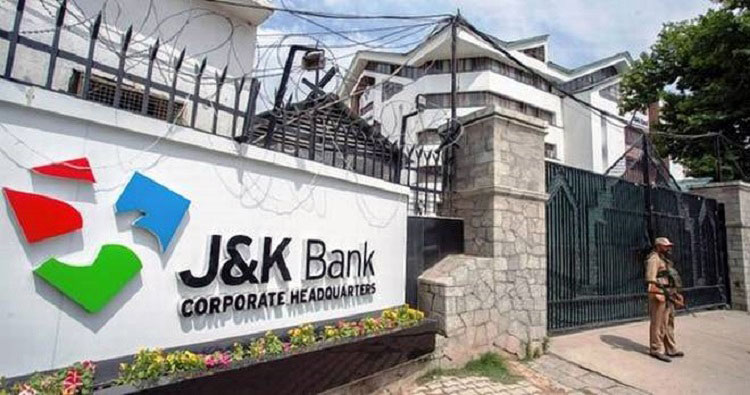
SRINAGAR — A preliminary enquiry conducted by the Anti-Corruption Bureau (ACB) into the purchase of a building for Rs 180 crore by the J&K Bank in Mumbai in 2010 has revealed that there was no requirement for purchasing the building and the lowest bidder was twice ignored by the Bank.

Documents in possession of news agency Kashmir News Observer (KNO) reveal that a preliminary enquiry conducted by the ACB states that on November 6, 2018, an advertisement was issued by the J&K Bank for purchasing 20000 square feet of integrated office premises at Bandra Kurla, Mumbai.

According to the documents, offers were received from 25 builders and the committee constituted for the task shortlisted eight buildings. “The spot inspection of the shortlisted properties was conducted on 13.12.2008 by a high-level committee of J&K Bank. Amongst these eight parties, the rates offered by Ashapura Builders (Hallmark Business Plaza) were the lowest (Rs 25000 per square feet),” reads the documents.

The ACB probe further revealed that on July 28, 2009, a letter was received by the J&K Bank from M/S Ashapura Builders indicating therein its willingness to offer the 3rd floor of the building measuring 30000 square feet built-up area at Rs 22,500 per square feet chargeable area.

“The application was processed and submitted to then-chairman to take a decision but no decision was taken regarding the finalization of the contract with M/S Ashapura Builder owners,” reads the documents.

According to documents, a committee was constituted with the approval of the chairman to take a view with regard to the offer received. “The committee so constituted has done nothing in respect of offers received especially on the application of M/S Ashapura Builders,” the ACB report reveals.

The ACB enquiry further revealed that upon directions of corporate headquarters J&K Bank, the zonal head Mumbai published another advertisement on January 14, 2010, wherein it was mentioned that J&K Bank required premises on outright purchase basis having office space comprising of about 25000-30000 square feet and residential flats in or around Andheri (15 single BHK 600-800 square feet and 10 double BHK 1000-1200 square feet).

Subsequently, 23 offers were received and M/S Ashapura Builders was again quoted the lowest rate at Rs 25,000 per square feet. “It has been found that no heed once again was paid to the lowest rates offered by the said builder,” reads the anti-graft body’s report.

On February 25, 2010, it has been found that in the Board of Directors meeting, the Director Estate Committee briefed Board members about site inspections of the shortlisted properties conducted by the Estates Committee. “The members were informed that among the shortlisted properties, Akruti Gold BKC meets the requirements of the bank. He further informed the members that the total chargeable area of the entire building was around 42000 square feet area and the rate quoted for the sale was Rs 26000 per square feet area which roughly works out to Rs 109 crores for the entire building and Rs 73 crores for the proposal six floors," the report said.

"The members of the Board accorded approval to the proposal and decided that Bank should enter into negotiations with the builders on purchasing the entire building. Accordingly, negotiations were held with the builder Akruti Gold BKC and finally, the rate was finalized at Rs 26000 per square feet for nine floors having a total chargeable area of 63776 square feet. A letter of intent was signed with the builder and token money of Rs 25 crores was paid to developer Vishal Techno Commerce Limited," reads the report.

An enquiry conducted has revealed that there was sufficient space available with J&K Bank for functioning of Branch Bandra Kurla, Zonal Office and Treasury, as such there was no requirement of purchasing any additional accommodation.

“The Zonal office Mumbai, Branch Bandra Kurla and Treasury were already functioning in the Bank's own buildings,” reads the report.

This post first appeared on The Kashmir Pulse

Powered by Blogger.