Gold is not just a top choice for ornament-making in India but also for investments. Given the high liquidity ratio of the asset and its inflation-proof price structure, gold remains a preferred choice among Indian investors hedging market volatility.


While the prices of gold have doubled over the last five years, like all investment vehicles they tend to experience period fluctuations. As an investor, you need to know what causes these price swings to protect yourself from fluctuating gold rates in Chennai and other cities.


Factors Influencing Gold Prices


Demand and Supply: The world has a finite reserve of this precious yellow metal. Thus, any change in the supply or demand side of its equation will have an impact on prices. For instance, during the wedding season in India, the demand for gold reaches an all-time high. If the supply doesn’t meet this high demand, the price of gold in Mumbai and other Indian cities will go up. Conversely, if the disposable income is low and supply outstrips demand, gold prices will fall.


Inflation: Since gold is often used as a hedge to mitigate inflationary pressures, gold rates in Mumbai and other cities are closely linked to inflation rates. When inflation is high, fiat currency is devalued. In other words, the purchasing power of currency notes reduces. However, since gold is a store of value, people tend to look to gold for savings. Higher demand for the asset spells higher prices.


Market Volatility: Any form of a market crisis triggered by geo-political or economic events impacts the gold rate in Chennai and other Indian cities. For instance, if investors see a palpable bearish trend in the stock market, they might wish to migrate to the safe-haven asset - gold, raising its price. Alternatively, a strong bullish trend in the stock market will lower the demand for gold as investors look to exploit higher returns from stocks.


Exchange Rate: India meets its gold demand through imports. Depreciation of the Rupee to the Dollar raises gold prices in cities like Mumbai, Kolkata, and others. In other words, gold prices in India will rise as the Dollar grows stronger.


Crude Oil Prices: Crude oil is an essential component of gold mining. So, the higher the price of crude oil, the higher the cost of gold production and the higher its market price.


Apart from these factors, others like RBI reserves, interest trends, the weakening Dollar, and the wedding season affect gold rates in Chennai and other Indian cities. To protect your gold investment from ups and downs, you can track these factors to gauge price movements and minimize losses.


Offsetting the Effects of Gold Price Fluctuation


Tracking these factors isn’t always easy. It’s always better to have a foolproof plan in place. To do so, you can implement the following precautions that’ll help offset the impact of gold price fluctuations.


Portfolio Diversification


Hedging market-linked risks means distributing your eggs in multiple baskets. In other words, you should diversify your holdings to avoid gold rates in Mumbai and other cities impacting your portfolio adversely.


You can mitigate the risks associated with the gold market by having a balanced mix of asset classes in your portfolio (like stocks, mutual funds, and bonds),. Not just that, you should also frequently rebalance your portfolio to ensure that it's keeping with the current market trends.


Gold Mutual Funds


Instead of passively waiting for gold prices to affect you, you can monetize these changes to your benefit with gold mutual funds. You can use the rising gold rate in Mumbai and other cities to earn returns by investing in these funds.


These mutual funds invest in physical gold, gold ETFs, stocks of gold mining companies, and distribution companies via direct and indirect routes. Usually, even a tiny change in the gold prices can change the return value of these MFs significantly. Sometimes returns from the funds even outgrow the actual price of the metal.


Sovereign Gold Bonds


You can also balance out fluctuating gold prices by opting for government-issued sovereign gold bonds. While these bonds are certificates issued against grams of gold, they come with a set return rate.


Investing in such bonds ensures lucrative payouts as the government issues an interest of 2.50% p.a. to the investors, credited on a half-yearly basis. Moreover, if market trends suggest a fall in gold prices, you can always sell these bonds before the end of the 8-year tenure.


Digital Gold


E-gold can be yet another price risk management vehicle you can add to your portfolio. You can purchase digital gold from apps starting from just 1 gram. You can leverage real-time gold rates to exploit price movements. Thus, you can sell the asset to churn out a profit when gold rates in Mumbai and other cities rise or purchase more units when prices are low.


Bottom Line


While you can never go wrong with gold investments, every investment strategy has its own pros and cons. To decide which one fits you best, you should always consider your investment goals, time horizon, and approach. For instance, long-term investors can look at SGBs, while those with short-term goals might find gold funds and ETFs more profitable.


Regardless of your approach, the bottom line is clear: portfolio diversification. While keeping a close eye on the factors affecting gold prices can help you hedge risks, portfolio diversification is the only way to offset price risks.


This post first appeared on The Kashmir Pulse

The thought or impression of not having saved anything for the future shakes all of us to the core. Everyone seems to be battling with the realisation that they haven't done anything to protect and save something for their old age. The common man is the most adversely affected by inflation and economic disruption. Therefore, it is crucial to be aware of the pension schemes in India.

Opportunities abound after retirement. Finally, you have enough time to complete everything on your wishlist. However, you will need enough money to support your existing way of life and realise your long-held aspirations. (You can mark the estimates of your investments using a compound interest calculator).

Relying solely on your savings and investments would not be a good choice given the rising rate of inflation and the restricted social security programmes accessible for seniors.

Why choose a pension plan?

There are many different reasons why one should choose the best pension schemes in India. Some of them are listed below:

1. Increase in Life Expectancy

According to the report of the World Bank, India's life expectancy in the year 2017 was 68.78 years. In nearly 20 years, the life expectancy rate has improved by 10 years. The amount required in old age or after retirement will rise as life expectancy increases.

2. Lack of Social Security System

We’re a developing nation. India is yet to be equipped with a social security system. When all sources of money are cut off, people usually avail of these services to support themselves or their families. There aren't enough policies and programmes in India that will take care of retirement benefits, the needs of the crippled, etc. Even when there are a few, they might not meet the needs of everyone. That’s why investing in pension schemes in India is highly recommended.

3. Regular Flow of Income

A pension or retirement plan guarantees you an income stream that is consistent once you retire; helping you live a relaxed and comfortable life.

4. Tax Advantages

Making an investment in a pension plan at a young age is always a good idea. You can receive tax benefits under Section 80C of the Income Tax Act's rules that can help you save taxes.

5. Rising Inflation and Health Care Expenses

The cost of healthcare has increased dramatically along with the country's population increase and the average life expectancy. Prices for hospital stays and medications are continually rising. All of this has a negative impact on our economy. So much so that anyone can face financial burdens if they remain unprepared.

Having a pension plan and using a compound interest calculator to calculate returns would undoubtedly reduce stress and give you financial security during your post-retirement years.

Pension scheme, savings in India

Best pension schemes in India

Knowing the many plans available on the market and selecting the one that best suits your needs will help you choose the option that is the most effective.

Plans With and Without Life Cover

With Life Cover: Those that have a life component also have life cover. The family members are given a lump sum payment in the event of death under this arrangement.

Without Life Insurance: As the name suggests, there is no life insurance in these pension schemes. The only money returned to the nominees is the premiums paid (depending on the type of policy).

Immediate and Deferred Annuity Plan

In an immediate annuity plan, a lump sum investment is required, and the pension payments begin right away. While in deferred annuity plans, the pension stats after a few years, mostly when the policy term's accumulation period is complete. There is a tax advantage applicable to this type of plan as well.

National Pension Programme (NPS)

In this programme, subscribers can invest and generate wealth by investing in market-linked assets. NPS invests in the equities and debt markets according to the subscriber’s preferences. At maturity, 60% of the money is available for withdrawal, and the remaining 40% must be utilised to buy an annuity plan.

Understanding the benefits provided by different pension schemes in India, as well as the features and advantages of retirement planning, is crucial if you're looking for the finest pension schemes in India. Each pension plan offers a unique set of retirement benefits.

A compound interest calculator can help you in making a safe retirement decision as it helps you calculate the growth of your investment. So, start investing in the best pension schemes in India today!

This post first appeared on The Kashmir Pulse

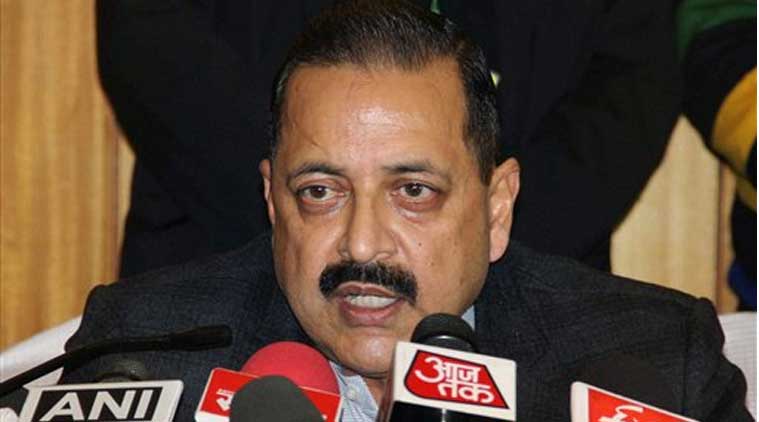
NEW DELHI — Union Minister of State (MoS) Jitendra Singh on Thursday said that the Central government is working towards making electricity free in Jammu and Kashmir in the next 4-5 years by installing solar plants, reported ANI.

The BJP leader, who is in the UT to review the security and other preparedness for Prime Minister Narendra Modi’s visit to J&K this month, added that Jammu and its power mechanism will become a role model for other states amid the chaos regarding the inflation.

https://twitter.com/ANI/status/1514400867545333762

“After 4-5 years, electricity will be free. So on one side, where there's so much chaos regarding the inflation, Jammu will become a role model depicting the alternatives we have,” ANI quoted Singh as saying.

About how the NDA government is planning to make this happen, Singh added, “We'll display new innovation and tech in rural development in this region, promoting agricultural startups. Work of installing solar plants worth around Rs 2.45 cr will finish in 1-2 days and by April 17-18, 340 households will receive electricity via solar power.”

The leader made the statements from the Palli Panchayat in Samba to review preparations ahead of PM Modi’s visit on April 24. The prime minister is set to address all the panchayats of Jammu and Kashmir from Pali.

About Modi’s visit, the Prime Minister will visit Jammu and Kashmir on April 24, which is going to be his first since the erstwhile state was stripped of its special status in August 2019 and bifurcated into two Union Territories.

This post first appeared on The Kashmir Pulse
Powered by Blogger.