Mobile health is the use of wireless technologies and mobile devices to support and improve healthcare services with the aim of lowering healthcare costs, increasing access to care, and improving health outcomes. It should be mentioned that mobile health technology improves patient and healthcare provider efficiency. The main topic of this article will be to explore the power of contemporary technology in transforming the healthcare industry.

Recognizing how mobile health technology is revolutionizing the medical field

The following defines mobile health and the relevant functions that mHealth technologies play in transforming the healthcare system.

Enhanced patient outcomes and engagement define mobile health

Among the advantages that define mobile health are improved patient outcomes and engagement. Mobile healthcare technology fosters several processes that lead to major improvements in patient outcomes and engagement.

First off, mobile health's ability to improve patient outcomes and engagement is supported by the chance it gives patients to participate in the efficient management of their health. Patients do not need to visit clinics as frequently because they may keep an eye on their vital signs and send messages to healthcare providers from the comfort of their own homes. The invention of wearable mHealth technology makes this possible. Better adherence to treatment plans and healthier lifestyles is the result of this innovation.

Improved accessibility and affordability of healthcare services

Telemedicine systems reduce the need for travel and waiting periods by facilitating virtual consultations. Not only is this beneficial for patients, but it also enables healthcare professionals to maximize the efficiency of their time management, lowering costs as a result.

By facilitating remote monitoring, reducing the frequency of hospital visits, and averting costly complications through early preventative care, mobile health technologies reduce healthcare expenses. This guarantees that a greater number of individuals, irrespective of their location, receive the care they require.

Streamlined administrative processes

Healthcare providers' workloads are decreased, and administrative procedures are streamlined with the use of mobile health technologies. Automated technologies and electronic health records (EHRs) make it easier to handle patient records, schedule appointments, process insurance claims, and charge patients. The usage of EHRs increases healthcare delivery efficiency and reduces administrative costs. This helps to define mobile health for the benefit of patients and medical practitioners alike.

Better disease prevention and health promotion define mobile health

By giving patients the tools and information they need to sustain a healthy lifestyle, mobile health technologies play a significant role in illness prevention and health promotion. Wearable technology and health applications can track diet, exercise, sleep patterns, and other health-related behaviours, motivating users to establish and meet health objectives.

The behaviour modification and preventative treatment encouraged by mobile healthcare technology lower the risk of chronic disease and improve overall health. Personalized health suggestions, reminders for preventative tests, and warnings of potential health risks are just some of the features that aid in accomplishing these results.

Final verdict

Now you have more comprehensive answers to frequently asked questions such as "What is mHealth?" and "What is mobile health?" Mobile health technology is quickly transforming the healthcare industry, as explored by this article. A more adaptable and efficient healthcare system that benefits both patients and providers is being created as a result of the evolutions that are changing how people experience healthcare.

This post first appeared on The Kashmir Pulse
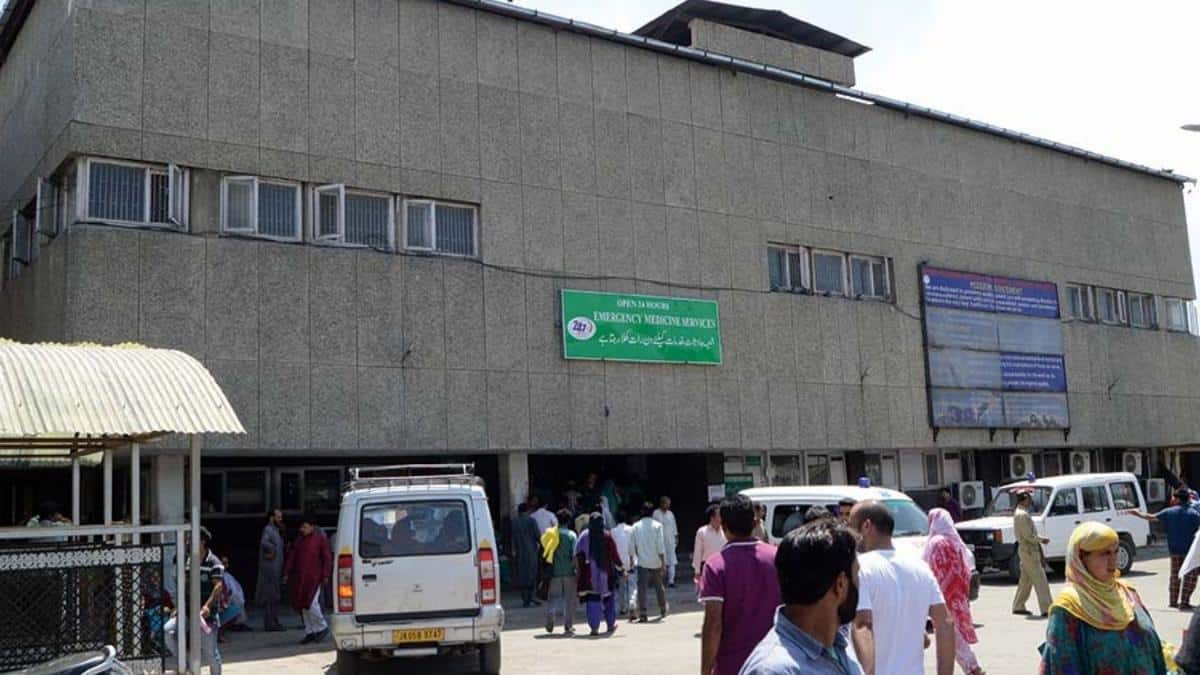
In recent years, the demand for super-speciality hospitals has increased immensely as more and more people are looking for high-quality healthcare services that can provide them with the best possible treatment outcomes. Furthermore, with the rise in chronic diseases and the ageing population, the need for specialised medical care has become more critical. 

This article will highlight the role of super-speciality hospitals in providing healthcare services to patients.

What are super-speciality hospitals?

Super-speciality hospitals are specialised medical centres that provide advanced medical care for complex and rare medical conditions. The medical services offered include diagnosis, treatment, surgery, and rehabilitation. These hospitals offer medical facilities focusing on specific medical conditions, such as:

  • Cardiology: The study and treatment of heart-related diseases and disorders.
  • Oncology: The study and treatment of cancer.
  • Orthopedics: The study and treatment of disorders and injuries of the musculoskeletal system.
  • Gastroenterology: The study and treatment of digestive system diseases and disorders.
  • Pulmonology: The study and treatment of respiratory system diseases and disorders.

What are the advantages of receiving treatment at these hospitals?

Receiving treatment at a super-speciality hospital offers several advantages, including access to advanced medical technologies and equipment, availability of highly skilled and experienced medical professionals, comprehensive and integrated healthcare services, reduced treatment time and improved outcomes, and high standards of patient care and safety. They are discussed below:

  • Access to advanced medical technologies and equipment: These hospitals are equipped with state-of-the-art medical technologies and equipment, which enable medical professionals to diagnose and treat complex medical conditions accurately and effectively. These technologies include MRI scanners, CT scanners, robotic surgery systems, and more.
  • Availability of highly skilled and experienced medical professionals: They employ a team of highly trained and experienced medical professionals. These medical professionals undergo specialised training and education, enabling them to provide patients with the highest quality of care.
  • Comprehensive and integrated healthcare services: They provide comprehensive and integrated healthcare services to patients, offering them a one-stop solution for all their healthcare needs. These hospitals offer various medical services, including emergency care, diagnostic services, and surgeries.
  • Reduced treatment time and improved outcomes: These hospitals have streamlined processes and procedures that enable medical professionals to diagnose and treat patients quickly and efficiently. This results in reduced treatment time and improved treatment outcomes.
  • High patient care and safety standards: They prioritise patient care and safety, ensuring that patients receive care in a safe and secure environment.

What is the role of a health insurance scheme in receiving treatment at these hospitals?

Treatment costs are higher because these hospitals employ highly skilled doctors and have advanced technology. Thus, when a medical emergency strikes, it might be challenging to arrange funds to avail of their services. It is, therefore, better to obtain a medical insurance policy in advance.

By paying a regular health insurance premium, you become eligible to receive assistance from the insurer in times of need. Moreover, most insurers contract with the top hospitals allowing the insured to seek cashless treatment there conveniently.  Such institutions are also known as network providers.

There are various options to choose from when it comes to online health insurance. You must analyse the different insurers based on the health insurance premium, coverage, network, renewability provisions, claim-settlement record, etc. Niva Bupa is one such insurance provider that excels on all these parameters by offering comprehensive coverage at cost-effective rates.

Prioritising your health and seeking treatment at a super-speciality hospital for the best possible healthcare outcomes is essential. By doing so, you can be assured of receiving top-quality healthcare services that are tailored to meet your unique needs and requirements. It is equally important to get insured. For more information on health insurance premium payments and coverage options, contact Niva Bupa the best health insurance company in India.

This post first appeared on The Kashmir Pulse

SRINAGAR — The Department of Pathology at Sher-i-Kashmir Institute of Medical Sciences (SKIMS), Soura, Srinagar, has informed that they are currently facing a shortage of the reagent required for the "stool for occult blood" test, indicating the test cannot be performed in their clinical pathology lab until further notice.

The department of pathology in a communique addressed to the Medical Superintendent of SKIMS, highlighted the unavailability of the reagent, ortho-toluidine.

The communique has also advised that the information be communicated to the cash counter to prevent patients from being charged for the unavailable test.

The stool for an occult blood test, also known as the faecal occult blood test (FOBT), is a diagnostic procedure used to detect hidden (occult) blood in the stool. This test is often part of routine screening for colorectal cancer or other gastrointestinal conditions, as the presence of blood in the stool can be an early indicator of many diseases.

It is unclear at this time how long the shortage will last. Patients in need of stool occult blood tests have been advised to contact SKIMS for further information and alternative testing options.

This post first appeared on The Kashmir Pulse

SRINAGAR — The Traffic Police Department of Kashmir issued a stern warning on Sunday, cautioning that obstructing ambulances could result in hefty fines or imprisonment for up to six months, as per a circular released by the department.

The circular, issued by the Traffic Police Department, emphasized the critical importance of ensuring unimpeded movement for ambulances during medical emergencies. Hospitals and healthcare facilities operating in the Kashmir Valley were advised to coordinate with the Traffic Police Control Room to facilitate the smooth passage of patients within the municipal limits of Srinagar.

The drivers of medical emergency vehicles and their attendants must maintain close communication with the Traffic Control Unit through the provided helpline numbers to ensure an unobstructed journey to the hospital, stated the circular.

Additionally, all road users were urged to yield to ambulances, particularly those transporting patients to referral hospitals. The circular underscored that failure to provide a clear passage for medical emergency vehicles constitutes a violation under Section 194E of the Motor Vehicle Act. The penalty for such violations includes a fine of Rs 10,000 and the possibility of imprisonment for a term of up to six months.

The announcement by the Traffic Police Department comes amid growing concerns over instances of ambulances being impeded by traffic congestion, thereby delaying crucial medical assistance to those in need.

This post first appeared on The Kashmir Pulse

SRINAGAR — The entry of Medical Representatives (MRs) in hospitals during official hours is causing a mess in hospitals with doctors giving them preference over patients.

As per the reports from the news agency KNO, its health correspondent visited several district, sub-district hospitals, Community Health Centres and Primary Health Centres where it was found there is no restriction on the movement of MRs and their entry into the cabins of doctors.

Several patients and their attendants said that it has become a norm in hospitals that MRs are being allowed to enter the OPDs and doctors’ cabins without any restrictions. They said that elderly patients are being kept waiting for hours as doctors prefer to discuss their perks and gifts with medical representatives.

An 80-year-old patient from Shopian said that he had to wait for around three hours to get an OPD consultation at one of the hospitals. He said that over one dozen MRs entered the doctor's cabin where he was supposed to treat patients.

“It was between 10 AM-1 PM without any restrictions when patients from far-off places were visiting the OPD for treatment,” he said.

An attendant said that the government is claiming that 90 percent of medicines are available now in hospitals at very low rates. “But what is the fun of allowing MRs to enter hospitals,” he added.

“If doctors have to discuss medicines, they can do it after office hours or at their private clinics. At government hospitals, entry of MRs is delaying treatment to patients,” he added.

Patients and attendants said that the government must issue a circular and restrict the entry of MRs during official hours at least so that poor patients won't have to wait for treatment.

Medical superintendents and block medical officers must monitor such activities so that the entry of MRs during official hours does not hamper work at hospitals.

A senior health officer acknowledged that they have received complaints about the entry of MRs into hospitals during office hours. He said that the concerned officials have been directed to look into it so that every patient gets treatment on time.

This post first appeared on The Kashmir Pulse
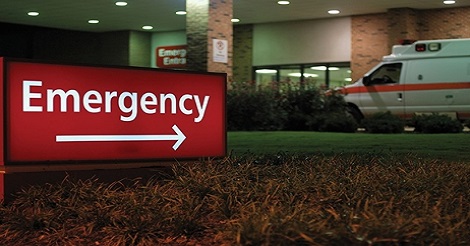
PULWAMA — A Primary Health Centre (PHC) is functioning from a three-room Panchayat in Arihal village of Pulwama district.

Locals from the village said that several years ago, the foundation stone for a new building was laid but it has not been completed. They said that the PHC is currently functioning in the Panchayat building with just three rooms, due to which most equipment of the hospital is defunct.

They said that there is no facility available other than first aid and locals are forced to visit District Hospital Pulwama for even minor ailments. They added that 95 per cent of work in the new building has been completed but due to unknown reasons no work has been done in the last two years.

Locals said that they have brought the issue to the notice of higher-ups several times but nothing has happened on the ground. They requested higher-ups to look into the matter at the earliest and complete the under-construction building as soon as possible.

An official working in the PHC said that due to lack of space, many machines at the hospital are defunct. He said they were asked to shift to the new building but the building is incomplete.

He said that the concerned agency has been directed to complete the new building at the earliest which is around 95 per cent complete, after which the hospital will start functioning there.

This post first appeared on The Kashmir Pulse
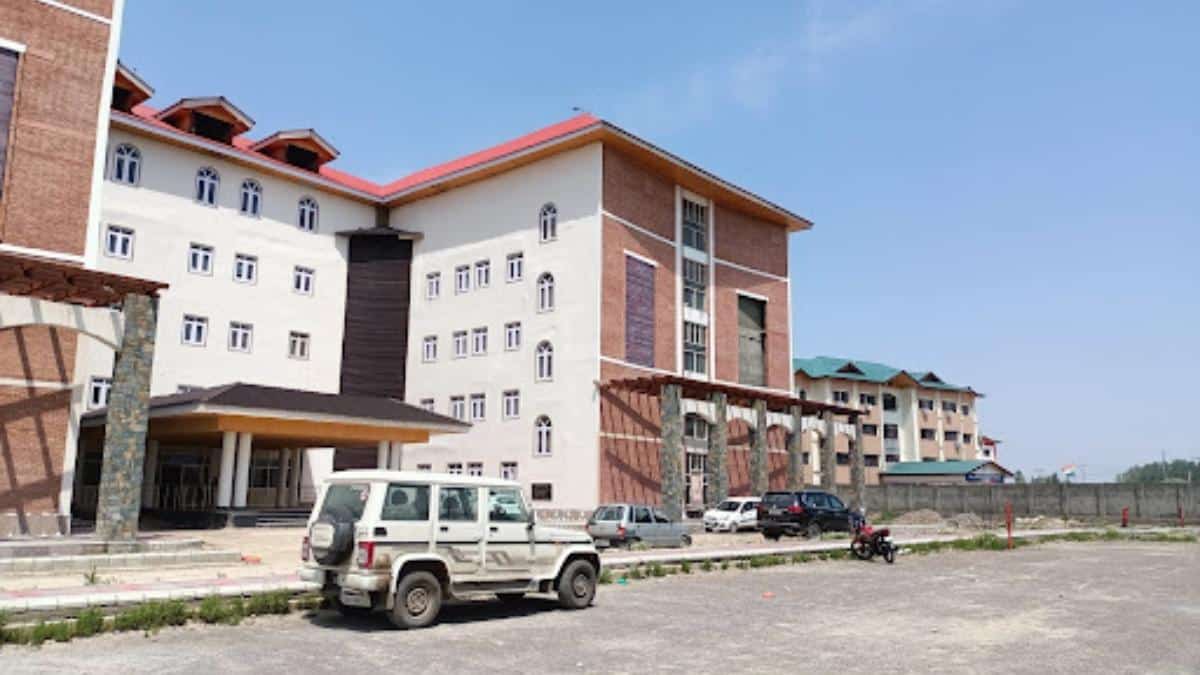
SRINAGAR — The Directorate of Health Services Kashmir (DHSK) on Wednesday said that some hospital administrators are allowing specialists and doctors to take night-off which is against norms.

In this regard, hospital administrators have been directed to strictly monitor the attendance of the specialists and any dereliction shall be viewed seriously.

"It has been observed that the hospital administrators are allowing on-call specialists/doctors to take night-off, which is against the set norms as prescribed," reads the Circular issued by Director Health Services Kashmir, Mushtaq Ahmad Rather, a copy of which lies with news agency KNO.

It adds, "As such enjoined upon all the hospital administrators not allow this practice henceforth and strictly monitor the attendance of the specialists. Any dereliction in this matter shall be viewed seriously. Further, compliance report in this regard may be shared with this Directorate."

This post first appeared on The Kashmir Pulse

SRINAGAR — The J&K administration has shifted the pediatric services of GB Pant Hospital to the newly-constructed 500-bedded Children Hospital in the Bemina locality of Srinagar.

As per a government order, the decision regarding the shifting of the entire paediatric services of GB Pant Hospital to the 500-bedded Children Hospital was taken after assessing the proper functionality of all vital aspects and plans by the Principal, Government Medical College, Srinagar.

“In the interest of seamless patient care, the sanction is hereby accorded to the continuation of Medicine, Obstetrics and Gynecology and Surgical Services along with dispensaries/commercial services at GB Pant Hospital Srinagar as per the Memorandum of Understanding (MoU),” read the order.

The government will soon shift the Chest Diseases (CD) Hospital in Dalgate locality to the GB Pant Hospital.

As per the order, a detailed proposal delineating a holistic action plan by Principal Government Medical College Srinagar shall be shared with the Department.

This post first appeared on The Kashmir Pulse

PULWAMA — Due to the non-availability of chemotherapy facilities for cancer patients in District Hospital Pulwama, the patients have to run to Srinagar hospitals dozens of miles away. The people of Pulwama have demanded the district administration take measures in this regard so that the patients do not have to face the problems.

According to the news agency CNS, due to the non-availability of chemotherapy facilities for cancer patients in District Hospital Pulwama, patients from remote areas are facing a lot of difficulties.

A cancer patient said that he has to visit Shireen Bagh Hospital in Srinagar every week for chemotherapy. The person suffering from this fatal disease said that the Jammu and Kashmir Health Department had assured to provide chemotherapy facilities in District Hospital Pulwama, but this dream of the people could not be fulfilled till now.

Another patient of Rajpora said that people with income above the prescribed limit are benefiting from the Ayushman Bharat Digital Mission, but they have to bear the burden of thousands of rupees due to the non-availability of these facilities in District Hospital Pulwama.

Locals of Pulwama said that if chemotherapy facilities are made available in District Hospital Pulwama, it will be considered a commendable initiative of the Health Department.

The local citizens of the district demanded District Development Commissioner Pulwama Baseer-ul-Haq Chaudhary play his role in this matter.

They said that they have hopes from the District Development Commissioner that he would take the matter seriously and take necessary steps for enabling chemotherapy in addition to other necessary facilities in District Hospital Pulwama.

This post first appeared on The Kashmir Pulse
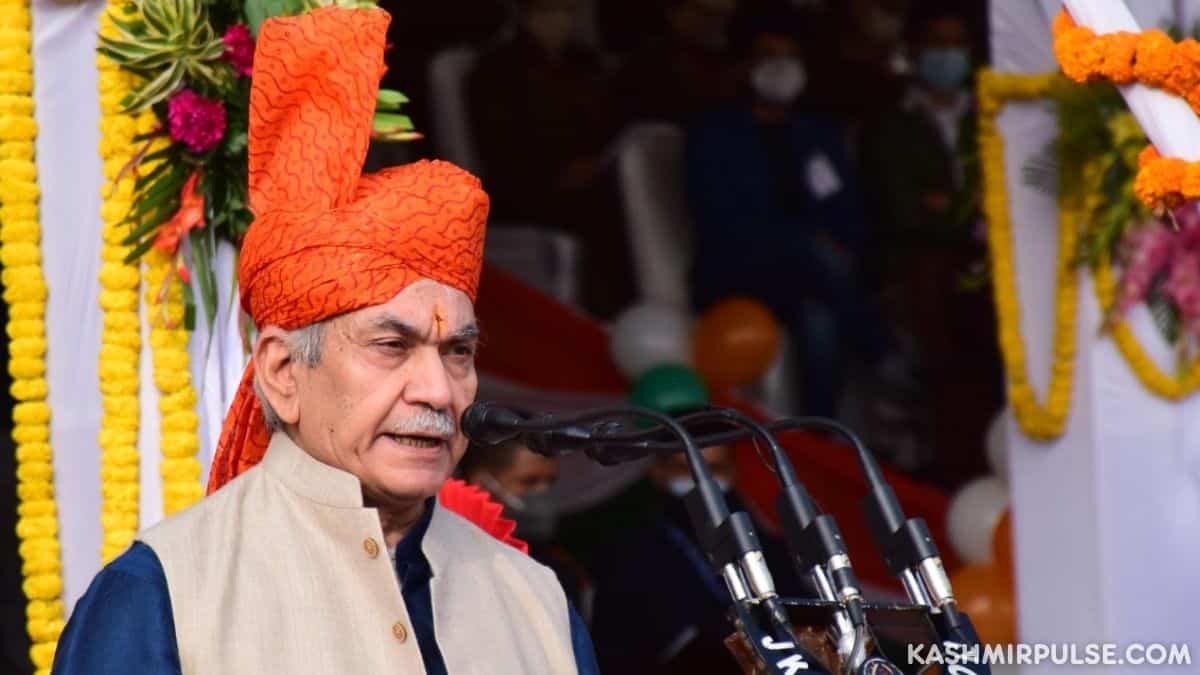
SRINAGAR — In view of the cloudburst at Amarnath Cave Shrine, the Directorate of Health Services Kashmir has cancelled leaves of all staff and has directed them to report immediately. Besides, all officers have been directed to keep their phones on.

According to an order issued by DHSK, as per the news agency Kashmir News Observer, in view of the unfortunate incident of cloud burst at Baltal near the holy cave in which a number of Yatris are feared dead and injured directions for immediate compliance by all are hereby issued.

The order stated that all the officers are directed to keep their mobiles switched on, while chief medical officers of south Kashmir i.e. Pulwama, Kulgam, Shopian and Anantnag are directed to send additional doctors and paramedical staff along with drugs, disposables and emergency aid kits to Pahalgam.

“Chief Medical Officers of north and central Kashmir i.e. Srinagar, Bandipora, Baramulla and Budgam are directed to send additional doctors and paramedical staff along with drugs, disposables and emergency aid kits to Baltal,” it reads.

As per the order in charge Controller of Stores (Health) is directed to coordinate with General Manager JKMSCL Srinagar for keeping emergency supplies ready to be dispatched to Baltal and Pahalgam immediately in consultation with Yatra Officer DHSK.

The order further stated that all leaves of the staff (Regular/Contractual) are hereby cancelled with the directions to report duties immediately.

This post first appeared on The Kashmir Pulse

GANDERBAL — Jammu and Kashmir Lieutenant Governor Manoj Sinha on Saturday said schools, colleges, bridges and other buildings will be named after the “great heroes and sons of the soil”, who laid their lives for the protection of country’s integrity, peace and prosperity in J&K.

“We can’t forget the contribution of brave hearts who sacrificed their lives for the integrity of the country and those who kept the national flag high in J&K. Schools, colleges, universities, hospitals, and even bridges will be named after these great heroes as they deserve it,” LG Sinha said.

As per news agency Kashmir News Observer, he was speaking on the occasion of the 32nd death anniversary of Sheikh Abdul Jabbar at Lar, Ganderbal. The LG said that in the Ganderbal district, important buildings will be named after Sheikh Abdul Jabbar who fell to the bullets of militants 32 years ago for his commitment to the country’s sovereignty, peace and prosperity in J&K. “He was a great son of the soil whose patriotism can never be forgotten,” the LG said.

“Great men like Sheikh Abdul Jabbar never die, rather they continue to live in many ways. Ishfaq Jabbar is following in the footsteps of his great father and keeping his legacy of commitment toward the country’s sovereignty, peace and prosperity in J&K, alive,” the LG said, adding Ishfaq’s wife who is also a DDC member, is also working to strengthen the Panchayati Raj system by ensuring round the clock development of Ganderbal district.

He said that his government is committed to ending corruption by ensuring minimum human interference. “Everything is being conducted online and that’s the best way to end nepotism and corruption,” the LG said, adding that e-Governance is flourishing and J&K is getting involved in e-Governance mode.

He said that one lakh crore worth of highway and tunnel projects are underway in J&K at present. “In the past one year, more than Rs 52000 crore investments have been received. Rs 4500 crore worth investment is coming with regard to private hospitals etc,” he said, adding that in the next year, Rs 70,000 crore investment proposals will be received that will generate 5 to 6 lakh job opportunities.

This post first appeared on The Kashmir Pulse
SRINAGAR — Divisional Commissioner, Kashmir, PK Pole on Wednesday said that the inquiry into the killing of two civilians in Pulwama was on and if the slain duo is found innocent, the government will provide jobs to the next of kin (NoK) of both the civilians under SRO 43.

According to the news agency Kashmir News Observer (KNO), he also said that the service-related issues of the agitating Kashmiri Pandit employees will be resolved soon and nearly 2100 backlog surgeries have been conducted in the past week during the medical camp organized by the Rotary International in northern and central Kashmir districts.

Addressing a news conference, Pole, who was accompanied by Director Health Services, Kashmir, Dr Mushtaq Ahmad and Dr Rajiv Pradhan, Chief, Rotary Club here said that the magisterial enquiry into the civilian killings in Pulwama is already underway. “The civilian involvement is being probed and if their involvement is not found, all the relief measures and SRO43 benefits will be provided to their families,” Pole said.

About the Kashmiri Pandit employees, he said that he chaired a meeting today with HoDs, Chief Engineers and Directors and they were asked that the positing of these employees should be given close to the towns and district headquarters so that the vulnerable areas will be avoided and the sense of security is ensured to the Kashmiri Pandits.

“All the service-related issues including duties in far-off places, transfers of couples at the same place and other related issues falling under my jurisdiction will be completed soon and implemented on the ground,” Pole said.

Asked about the fire incident at the Traffic headquarters building at midnight, Pole said that these incidents occur especially due to the wooden roof. “Fire and Emergency Service department will visit all the major offices of government departments and conduct a fire audit there. The fire extinguishers will be made available to prevent such incidents in the future,” he said.

Sharing details of a medical health camp organized by Rotary International, Pole said that the backlog surgeries that were postponed due to the three Covid waves were conducted. “Nearly 2100 surgeries have been conducted at almost 14-15 operation theatres, working from the last one week, which start functioning from morning 7 AM to evening 8 PM,” he said.

The surgeries were conducted in northern and central districts of Kashmir, he said, adding that on the request of Lieutenant Governor, Manoj Sinha, the camp will be organized in south Kashmir as well.

Dr Rajeev Pradhan, International Rotary Governor, said that the club has been working in different countries to ensure better health for the people. "After northern and central Kashmir, the camp will be organized in south Kashmir on the request by Lieutenant Governor in coming days," he said.

Director Health Services, Kashmir, Dr Mushtaq Ahmad said that there were nearly 8000 backlog surgeries due to the third wave of COVID-19 and in the last week, over 2100 major surgeries were conducted.

“We have already received directions from the Divisional Commissioner to clear the backlog surgeries. We will do that at the earliest,” he said, as per KNO correspondent.

About the heart transplantation surgeries, he said that a survey will be conducted to identify the patients, whose registration will be done following which the procedure will be carried out.

This post first appeared on The Kashmir Pulse

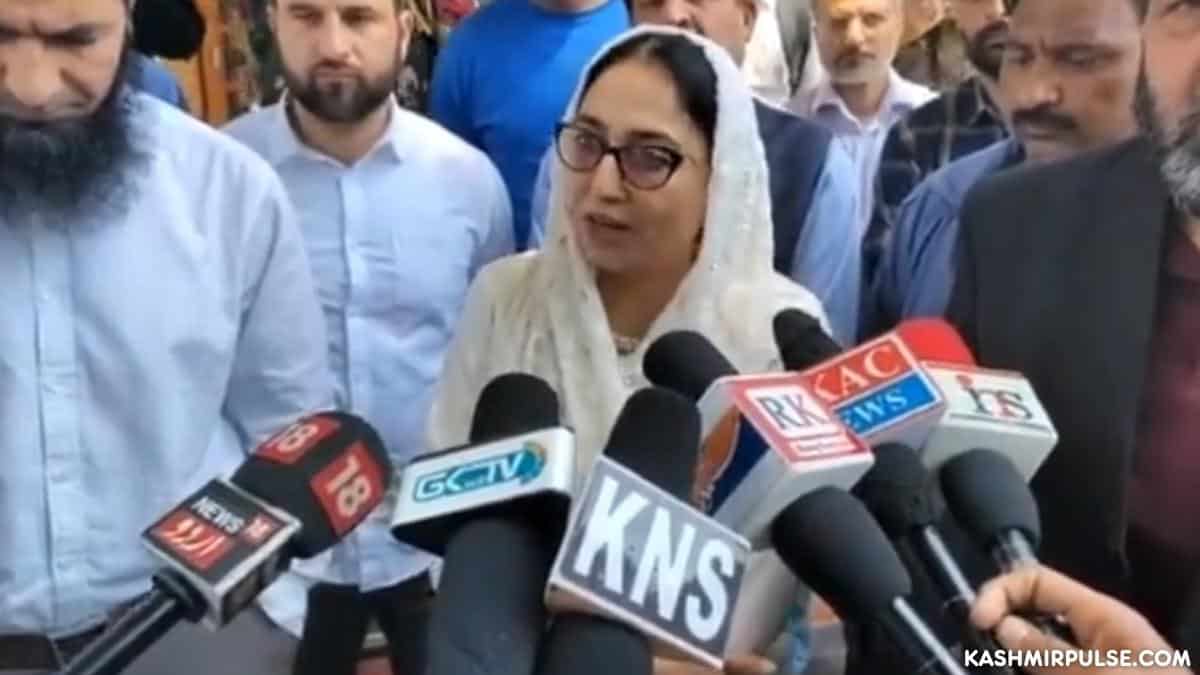
SRINAGAR — Chairperson Waqf Board, Dr Darakhshah Andrabi on Saturday said that Board has decided to introduce an online system for donations. She also said Waqf would soon construct a cancer hospital in Jammu and Kashmir.

According to the news agency Kashmir News Observer (KNO), Andrabi told reporters that the donations are part of 'Baitulmaal', adding that “we won't allow any disloyalty with the donations by people.”

She said that Waqf will soon start an online system for donations and the deliberations with J&K Bank over the issue are going on.

She further added that a cancer hospital will also come up in Jammu and Kashmir soon, saying that the income will be generated from the assets, which will be used to build the hospital.

This post first appeared on The Kashmir Pulse

SRINAGAR — The much-hyped Ayushman Bharat-Pradhan Mantri Arogya Yojana is in dire straits in Jammu and Kashmir as financial liabilities of the scheme have mounted to Rs 70 crore.

A number of private hospitals and diagnostic centres were empanelled for providing treatment to patients under the scheme but inordinate delay in getting payments has prompted them to refuse to dispense the services.

“Due to inordinate delay in payments, we are unable to provide payment in time to our suppliers,” is the common refrain from the management of private hospitals. They said currently the Golden Card is accepted at a few hospitals only for dialysis on humanitarian grounds after requests from authorities.

Official sources told news agency Kashmir News Observer (KNO) that about Rs 70 crore are to be paid to empanelled hospitals, out of which nearly half is supposed to be paid to private hospitals, however, their payments have been hanging for months.

The delay has severely affected the financial health of private hospitals as they fail to provide salaries to employees besides meeting day-to-day expenses, they said.

The delay in reimbursement to hospitals is a clear violation of the Centrally-sponsored scheme as they are bound to clear dues within 15 days.

165 government and private hospitals in J-K have been empanelled under the scheme but cardholders are now facing problems at many hospitals as their cards aren't being accepted.

A top official of the Pradhan Mantri Jan Arogya Yojna scheme acknowledged that people are facing problems with non-payment of dues to hospitals and said their dues will be cleared within a week.

"A meeting in this regard was chaired by Additional Chief Secretary Health and Medical Education in Jammu and he assured that all payments will be released by the end of this week," he said.

This post first appeared on The Kashmir Pulse
Powered by Blogger.