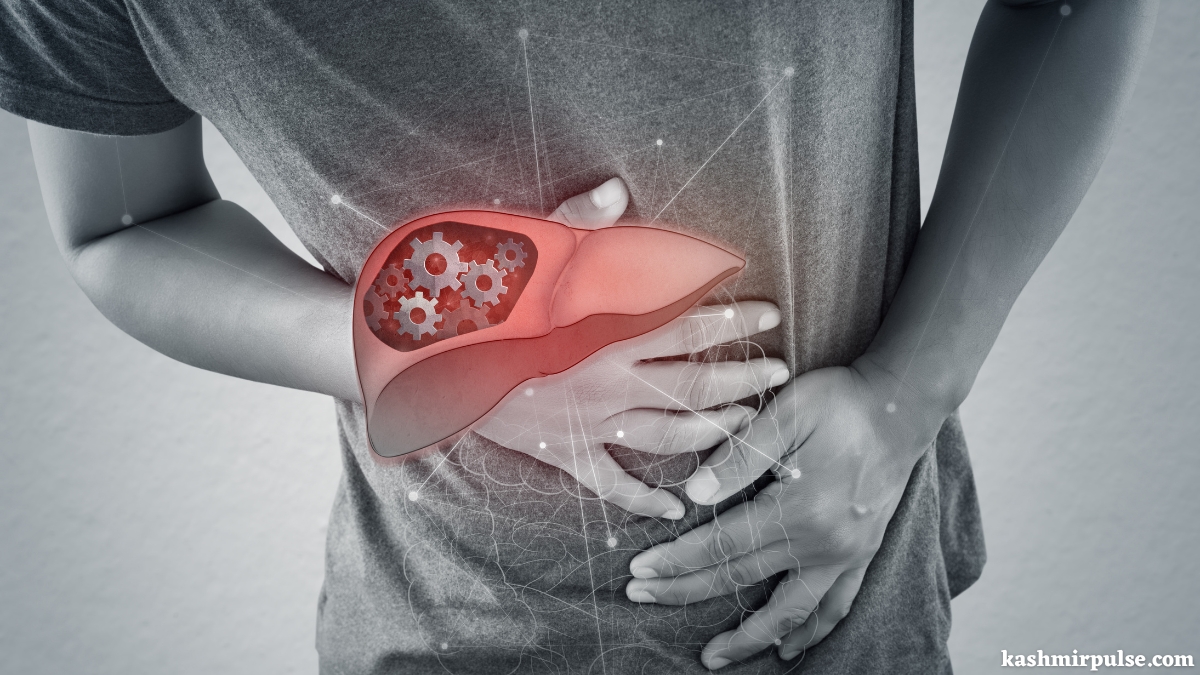
SRINAGAR — On World Hepatitis Day, Doctors Association Kashmir (DAK) expressed pressing concern over the surge in hepatitis cases which has reached epidemic proportions in Kashmir.

“Drug abuse and unhygienic dental practices are responsible for the hepatitis epidemic in the valley,” said DAK President Dr. Nisar-ul-Hassan in a statement issued to the news agency KNO.

Dr. Hassan said Kashmir is witnessing an alarming rise in drug abuse cases over the past few decades. “Drug addicts are at a higher risk of contracting hepatitis and have the potential to spread this deadly infection to others,” he said.

In a recent study conducted at the Institute of Mental Health and Neurosciences Kashmir, 72% of drug addicts were found to have Hepatitis C infection.

“Research has found that each drug addict infected with hepatitis virus is likely to infect 20 others and this rapid transmission of the disease occurs within the first three years of initial infection,” he said.

The DAK President said another reason for the high rates of Hepatitis infection is unhygienic dental practices in Kashmir.

“Most of the dental clinics use unsterilized or improperly sterilized instruments. The tools are not cleaned in between patients. The disposable items which are for single-use are reused on patients. Unsterile needles are used in multiple-dose medication vials,” he said

“Dentists do not change gloves in between patients and use the same gloves for every patient that leads to cross-infection,” he said and added, “Patients are not screened for hepatitis prior to intervention, resulting in the transfer of these viruses from one patient to another.”

Dr. Nisar said Hepatitis B and C infections are serious medical conditions and infected patients may not have outward symptoms of the disease for many years. The delayed onset makes screening important.

Hepatitis B and C are common causes of Cirrhosis or scarring of the liver which can cause liver failure and even cancer.

“While the Hepatitis B vaccine was included in the routine/universal immunization programme after 2006, many people above 17 years are unvaccinated. People should get vaccinated against hepatitis B as soon as possible to protect themselves from getting the virus,” he said.

“Hepatitis C has no vaccine, but there are ways to prevent the disease. And, if detected early, this is one of the few viral infectious diseases with great cure rates,” he added.

This post first appeared on The Kashmir Pulse
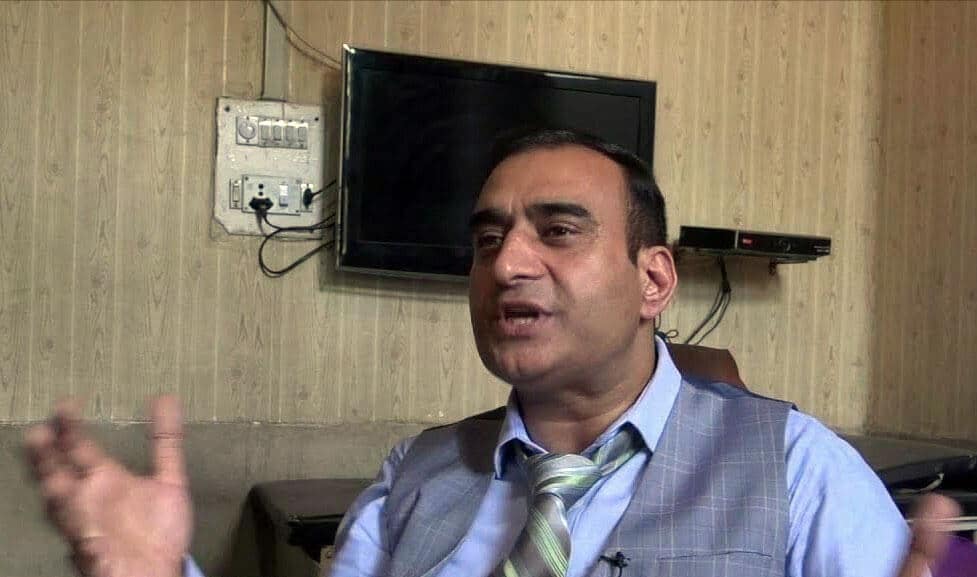



SRINAGAR — Doctors Association Kashmir (DAK) on Wednesday condemned the misbehaviour of a Pulwama councillor with a doctor.


The councillor has used demeaning, abusive and unparliamentary language with the doctor while he was discharging his duties, DAK President Dr Nisar ul Hassan said in a statement issued to the news agency KNO, adding that “such behaviour is simply unacceptable.”


Dr Hassan said on Monday evening that the councillor entered District Hospital Pulwama and threatened and abused the doctor on duty which resulted in the disruption of medical services. “Such acts of intimidation against medical staff who provide help to sick and wounded is shocking,” he said.


The DAK President said medical personnel put in their blood and sweat to save lives in extremely difficult conditions and instead of appreciation get abused. “The act of hooliganism from a public representative has generated fear and anxiety among health care workers,” he said.


Dr Nisar said under such circumstances, doctors cannot deliver their services efficiently which adversely affects patient care. “It is difficult for doctors to work under such hostile conditions,” he said, adding, “Such atrocious attitude towards doctors has forced many to migrate and this is the main reason for brain drain.”


General Secretary, DAK, Dr Arshad Ali said such maltreatment with a doctor on duty will not only set bad precedence but will also demoralize the medical staff who are discharging their duties in the toughest circumstances.


“There has to be an end to this mad pattern of atrocities against medical staff which has become routine,” he added.


This post first appeared on The Kashmir Pulse


SRINAGAR — Doctors Association Kashmir (DAK) on Thursday sought restoration of the old pension scheme for the government employees of Jammu and Kashmir.


“Revival of the old pension system would ensure the social and financial security of employees,” said DAK President Dr. Nisar ul Hassan in a statement issued to the news agency KNO.


Dr. Hassan said under the old pension scheme, an employee gets 50% of his/her last drawn salary as a monthly pension with the addition of a dearness allowance as and when declared by the government. “After the demise of the retired employee, the nominee gets 50% of the total amount drawn by the retired employee as a family pension,” he said.


Government employees in J&K recruited on or after January 1, 2010, are not eligible for the old pension scheme and come under the new pension scheme.


The DAK President said the new pension scheme does not provide a guarantee of pension and there is no provision for family pension in the new system. “Under the new scheme, employees are required to contribute 10% of their monthly salary, which the government matches and invests in equity shares,” he said, adding “The new scheme is market-linked and hence uncertain.”


Dr. Nisar said employees spend their productive years of life in government service with the hope that post-retirement, they get a guaranteed pension which will give them financial independence in old age when they can’t earn. “The employees put in their blood and sweat during service to cause good governance and the government is duty bound to provide them with a sense of security post-retirement,” he said.


General Secretary DAK, Dr. Arshad Ali said under the new pension system, the hard-earned retirement fund of employees is subjected to the vagaries of the share market which fluctuates at the drop of a hat, putting the social security of employees at risk.


“An employee cannot work with his full potential and contribute to good governance if his socio-economic security is threatened,” he said.


“Four of the States including Rajasthan, Chhattisgarh, Jharkhand and Haryana have gone back to the old pension scheme and the chorus for restoration is also mounting in other states,” he added.


This post first appeared on The Kashmir Pulse

SRINAGAR — With the continuous dip in temperatures to sub-freezing levels in Kashmir valley, Doctors Association Kashmir (DAK) on Wednesday said the chilly weather of winter puts people at greater risk of high blood pressure.

“Falling temperatures in winter causes a hike in blood pressure which increases the risk of heart attacks and strokes, the two leading causes of death and disability in the valley,” said DAK President Dr. Nisar ul Hassan.

Dr Hassan said high blood pressure, also called hypertension, is harder to control in winter. "Even healthy people aren’t off the hook. They tend to have high blood pressure in winter."

“When winter arrives and temperatures drop, there is one place where the mercury rises, that is in the blood pressure gauges,” he said.

The DAK President said frigid temperatures constrict blood vessels which increases blood pressure because more pressure is needed to force blood through narrowed vessels. “Hormones, like adrenaline and nor-adrenaline increase in response to cold, and these cause spike in blood pressure,” he said adding, “Lack of sunlight during winter reduces vitamin D levels which increases blood pressure.”

He said people are sedentary in winter, staying inside and eating more which causes weight gain and contributes to hypertension. “While we can’t change the weather, simple precautions can help reduce the risk of high blood pressure in winter. Keep yourself warm to prevent cold temperatures. If you move out, dress in layers, wear a hat, gloves, and scarf. Avoid going in the chill for a walk and move your workout inside. Reduce salt intake and take a diet rich in vegetables and fruits. And, don’t forget to take your vitamin D,” advised Dr Nisar.

“People who are on treatment for high blood pressure need to monitor their blood pressure more frequently during winter as they may need an increase in doses or addition of drugs to keep their blood pressure under control,” he said.

This post first appeared on The Kashmir Pulse

SRINAGAR — The government’s proposed move to pool 50% post-graduate (PG) seats from Government Medical College (GMC) and all seats of Sher-e-Kashmir Institute of Medical Sciences besides 15 per cent undergraduate seats for all-India quota this year is going to affect health care services in Jammu and Kashmir, doctors said on Monday.

Resident Doctors Association (RDA) GMC Srinagar General Secretary Dr Faisal told the news agency KNO that a doctor who pursues PG from any institution outside J&K has to give a written bond that he will work in the same institution for 4-6 years after completing his degree. But such rules do not exist here until now.

He said that when a doctor from outside Jammu and Kashmir would complete a degree, he would leave J&K and work outside, triggering a shortage of specialists.

Dr Muzzafar spokesperson of RDA, GMC Srinagar told KNO that the order is detrimental to the aspirations of medical students and if implemented, will harm the interests of the aspiring PG candidates of Jammu and Kashmir.

He said that new medical colleges have been established but PG seats are not available there as of now and the government must at least shelve the order till PG seats will be introduced there. “Patient-doctor ratio is already grim here and if this order is implemented in such conditions, there will definitely be a shortage of specialists,” he added.

President Doctor Association of Kashmir, Dr Nisar Ul Hassan told KNO that surrendering these seats will jeopardize the careers of local aspiring doctors and will open floodgates for outsiders and impact us. “Outsiders will steal our seats only and are not going to benefit us as they will leave J&K once they complete the degree and are going to impact the patient care ultimately and the number of specialists will be less,” he added.

Dr Nisar demanded that the government reserve all seats for J&K aspirants only as of now as J&K students won't be able to compete at all-India level due to lack of exposure.

Meanwhile, President Civil Society Forum, Qayoom Wani, said pooling of 50 per cent PG quota for non-locals will affect health care and it will directly affect the efficiency of doctors. “It is injustice with local aspiring doctors as it is going to freeze their opportunities,” he said.

This post first appeared on The Kashmir Pulse
Powered by Blogger.