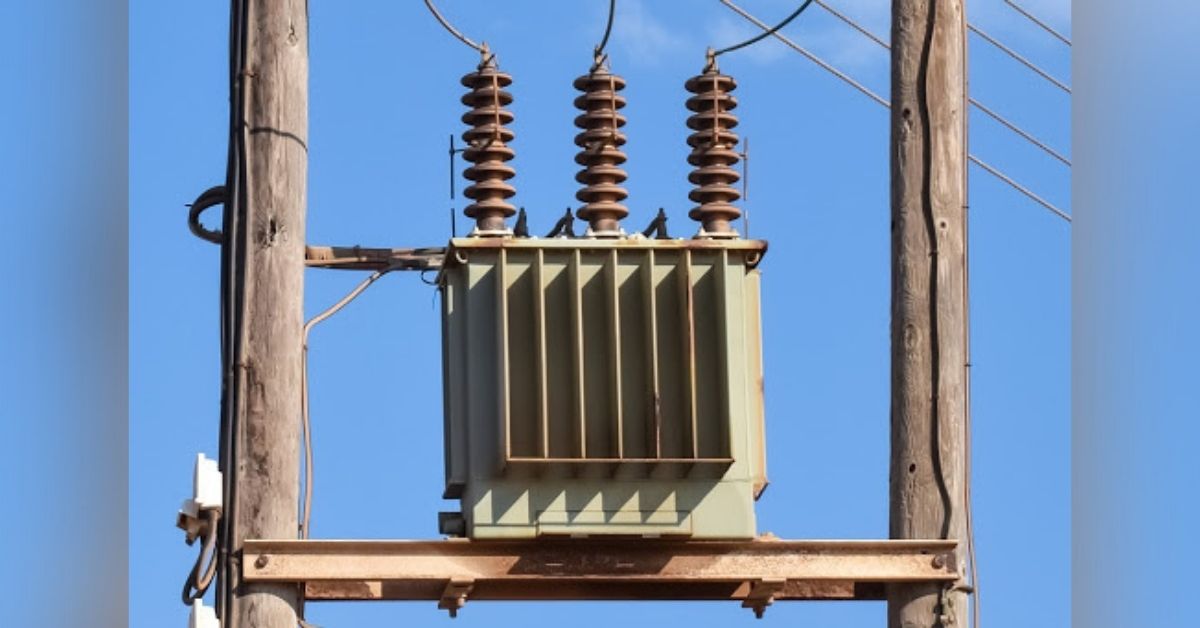
SRINAGAR — In a major relief for power consumers, the Jammu & Kashmir Power Development Department (JKPDD) announced today that the J&K Government will absorb any increase in electricity tariffs for the financial year 2024-25 by continuing its subsidy on electricity bills.

This decision effectively offsets projected tariff hikes by the Distribution Companies (discoms)—JPDCL for the Jammu region and KPDCL for the Kashmir region—meant to cover rising power purchase costs, inflation, and other factors. The government’s move, it said, will bridge the revenue gap without passing the additional costs to consumers.

A PDD spokesperson highlighted that a major portion of discoms' expenditure comprises power purchase costs, which are escalating due to rising coal prices. Other significant expenditures include operation and maintenance costs for expanding infrastructure. Without government intervention, these costs would have been passed on to consumers.

The discoms have submitted a proposal for a tariff increase for FY 2024-25 to the Joint Electricity Regulatory Commission (JERC) for approval. However, the government’s decision ensures no tariff increase for consumers, with the estimated loss covered by the government.

Currently, Jammu & Kashmir's electricity tariff is among the lowest in the country. After a six-year hiatus, there was a 17% tariff increase in October 2022. For FY 2023-24, metered consumers faced a 15% hike, balanced by the removal of a 15% Electricity Duty on energy charges, resulting in no net rise in bills. This trend continues for FY 2024-25 with no tariff increase.

In addition to easing financial burdens, the department is implementing reforms under the Revamped Distribution Sector Scheme (RDSS) to ensure better quality and reliable power supply. These reforms include the rapid implementation of smart meters to eliminate unmetered consumers, who contribute significantly to high AT&C losses. J&K, which had a metering percentage of 50% in 2019, now ranks among the top seven states for smart metering, surpassing the six lakh mark.

To address losses in unmetered areas, particularly in Kashmir, discoms are conducting calibrated load rationalization based on actual usage and connected loads, adhering to Electricity Supply Code regulations. Other reforms include 100% segregation of agricultural feeders, High Voltage Distribution Systems (HVDS), and state-of-the-art SCADA and RT-DAS systems, aiming to automate the system and meet modern consumer expectations.

Discoms have been directed to adopt best practices in accordance with the Electricity (Rights of Consumers) Rules, 2020, ensuring reliable and high-quality electricity services. With a Rs. 5,600 crore investment under RDSS over the next two years, the UT aims for a complete turnaround in the power sector, with the goal of providing 24x7 uninterrupted and affordable power supply for all consumers.

This post first appeared on The Kashmir Pulse
SRINAGAR — Kashmir Power Distribution Corporation Limited (KPDCL) has warned its consumers to desist from illegal power usage, failing which permanent disconnections with the recovery of the unaccounted energy consumed shall be effected including registration of FIRs, under the Electricity Act.

KPDCL has also started serving notices to the consumers found using power illegally by way of hooking and meter bypassing, with copies sent to the concerned Police Station for registration of FIRs.

In a statement released today, a KPDCL spokesman said inspection squads are vigorously patrolling on a roster basis and mapping all those consumers found hooking on bare conductors, meter tampering and bypassing and exceeding sanctioned load in flat-rated areas.

“In order to thwart attempts of large-scale power pilferage, inspection squads have been manning all sections at sub-division level to prevent consumers from using power illegally,” he stated.

The spokesman added that over 1.90 lakh inspection and disconnection drives have been conducted by KPDCL field staff over the last six months and a large number of consumers have been caught using power unauthorisedly.

“Against recovery on account of energy consumed illegally worth Rs. 27.74 crore, Rs. 11.04 crore have been realised,” he said, adding that non-payment of dues on account of illegal use of energy is being reflected in the power bills against those consumers who have failed to deposit.

KPDCL further stated that FIRs are being registered and more applications are being moved with names and consumer IDs of such consumers caught either hooking or bypassing/tampering meters.

Highlighting the role of the centralised and fully autonomous central inspection squad of the KPDCL, the spokesman stated that as many as 4,110 inspections have been conducted over the past six months and large number of meter tampering cases have been detected.

“82 confirmed cases of meter tampering have been reported for registration of FIRs under the Electricity Act by CIS,” he said and added that all these consumers will be remotely disconnected permanently.

Laying stress on the revision of sanctioned load in flat-rated areas till these are smart-metered under the premier Loss Reduction Scheme of RDSS, the spokesman said the load of the consumers is being enhanced in a calibrated manner, in an attempt to bring down AT&C losses.

He further stated that a large number of consumers are far exceeding their sanctioned loads, sometimes even by 4-5 times, which is adversely affecting the billing efficiency of KPDCL.

The KPDCL spokesman further advised its consumers to use electricity judiciously, which shall go a long way in providing reliable and quality power supply to all its consumers. He also urged the domestic consumers to avail the waiver on late payment surcharge under the government’s Power Amnesty Scheme which shall remain in force till March 31, 2025.

This post first appeared on The Kashmir Pulse

SRINAGAR — In an effort to ease the burden of outstanding electricity dues and provide financial relief to consumers, the Kashmir Power Distribution Corporation Limited (KPDCL) has issued a crucial advisory urging consumers to take advantage of the extended Amnesty Scheme-2022.

The scheme, offering a pathway to settle outstanding electricity dues, has been extended until March 31, 2025, following a recent decision by the Administrative Council chaired by Manoj Sinha, the Lieutenant Governor of Jammu and Kashmir. The decision specifically benefits domestic electricity consumers.

This extension provides consumers with an extended window of opportunity to resolve their outstanding electricity bills under more favourable terms. The move reflects the authorities' commitment to supporting consumers facing financial difficulties, especially amid various economic challenges.

By extending the Amnesty Scheme-2022, the aim is not only to provide immediate financial relief but also to encourage responsible financial management among consumers.

The advisory serves as a reminder to consumers to seize this opportunity and take proactive steps to address their outstanding electricity dues, emphasizing the significance of availing themselves of the extended scheme before the deadline to avoid potential penalties or further financial strain.

The high-level Administrative Council meeting, attended by Rajeev Rai Bhatnagar, Advisor to the Lieutenant Governor; Atal Dulloo, Chief Secretary, J&K; and Mandeep Kumar Bhandari, Principal Secretary to the Lieutenant Governor, approved the extension of the Amnesty Scheme, aiming to provide respite to domestic consumers grappling with accumulated power dues.

Under the extended amnesty scheme, domestic consumers stand to benefit from a complete waiver of 100% interest and surcharge on outstanding principal amounts. Notably, the domestic consumer category constitutes a significant portion, comprising over 86% of JKPDD consumers, with nearly half of the total energy consumption in the UT attributed to this demographic.

Despite the substantial benefits offered by the amnesty scheme, approximately 30% of domestic consumers, estimated at around 5.50 lakh, either resort to staggered payments or have defaulted on their electricity bills. The accumulation of outstanding power dues, coupled with late payment surcharges and interest, has exacerbated commercial losses for JKPDD and its associated Discoms.

The implementation of the amnesty scheme has yielded promising results, with a noteworthy recovery of Rs. 235.58 crore from domestic consumers. This initiative enables consumers to avail themselves of the surcharge waiver and facilitates payment of the principal amount through affordable installment plans, thereby easing the financial burden.

Furthermore, the successful recovery of outstanding principal amounts is anticipated to mitigate the Aggregate Revenue Requirement (ARR) and Aggregate Cost of Supply (ACS) gap.

This post first appeared on The Kashmir Pulse

JAMMU — The Administrative Council, chaired by Lieutenant Governor Sh. Manoj Sinha, embarked on a series of decisions aimed at enhancing various sectors of development across Jammu and Kashmir.

In a move to alleviate the burden on domestic power consumers, the Administrative Council approved the extension of the Amnesty Scheme-2022 until March 31, 2025. This scheme, benefiting over 86% of Jammu and Kashmir Power Development Department (JKPDD) consumers, aims to waive 100% interest/surcharge on outstanding principal amounts, facilitating affordable installment payments (EMIs) for consumers.

With Rs. 235.58 crore already recovered under the scheme, the government anticipates a reduction in commercial losses and improved financial stability for DISCOMS.

Simultaneously, the Council sanctioned the Jammu and Kashmir Film Policy-2024, designed to position the region as a cinematic hub. With a focus on administrative facilitation, financial assistance, and infrastructure development, the policy underscores the commitment to nurturing local talent and fostering national competitiveness.

Notably, the policy introduces a Film Development Fund of Rs. 500 crores, catering to diverse film projects and ensuring equitable opportunities for regional filmmakers.

Furthermore, the Administrative Council approved the installation of a vertical lift from Peerkho Station to Mubarak Mandi Heritage Complex, integrating key tourist attractions and enhancing accessibility.

This initiative, coupled with the transfer of Mubarak Mandi Heritage Society to the Culture Department, aims to streamline heritage preservation efforts and bolster tourism, aligning with the government's vision of showcasing the rich cultural heritage of Jammu and Kashmir.

In a significant move towards agricultural development, the Council sanctioned the transfer of 22 Kanals and 2 Marlas of land for establishing a Dairy Plant in Estate Devipora, Ganderbal district.

With the Jammu and Kashmir Milk Producers Cooperative Limited leading the implementation, this project is poised to benefit approximately 1.50 lakh milk producers and generate employment for 400 to 500 individuals, contributing to economic growth and nutritional enhancement in the region.

This post first appeared on The Kashmir Pulse

SRINAGAR — In a significant move, the Kashmir Power Distribution Corporation Limited (KPDCL) issued an order on Wednesday prohibiting the procurement and sale of heating gadgets based on nichrome coils.

The KPDCL, through an official communication, urgently directed its subordinate offices to reconsider a previous order that had banned the production, import, transportation, sale, purchase, or use of crude heaters, boilers, and steamers relying on nichrome coil technology.

The ban comes into effect due to observed non-compliance with the required specifications outlined by the Bureau of Indian Standards (BIS) or the International Electro-Technical Commission. The KPDCL stated, "In consonance with the above orders, all Electric Divisions have done a remarkable job in seizing these crude heating appliances from a vast majority of the consumers."

The communication expressed concern over the post-seizure behaviour of consumers who reportedly purchase new nichrome coil-based crude gadgets from the market, undermining the efforts made in confiscating the non-compliant devices.

To permanently eradicate the availability of such heating gadgets, the directive instructs the implementation of the Government Order by circulating it among business outlets dealing in electrical equipment/items. These outlets are to be advised against procuring and selling any nichrome coil-based heating gadgets, with non-compliance leading to immediate seizure.

The KPDCL further advised the subordinate offices to collaborate with the District Administration to ensure the strict enforcement of the government orders. This initiative aims to curb the abuse of electricity associated with the use of non-compliant heating appliances. The corporation emphasized the importance of collective efforts to permanently remove nichrome coil-based heaters, boilers, and steamers from the market.

This post first appeared on The Kashmir Pulse

SRINAGAR — Managing Director, Kashmir Power Distribution Corporation Limited (KPDCL), Mussarat Islam, today urged consumers to clear their outstanding balance on account of electricity dues, failing which KPDCL shall be left with no option but to further accelerate its disconnection drives as warranted under Section 56 of the Electricity Act.

He further stated that smart meter consumers with arrears are being automatically disconnected if they do not pay their pending power bills.

Expressing serious concern over huge default figures in domestic, commercial and industrial categories, the MD stated that revenue realized on account of clearance of pending bills shall enable KPDCL to have enough resource availability for power purchase which will be critical for providing reliable supply.

The MD also said that huge default figures are taking a toll on the financial health of the Corporation as it would impact the fund flow under the Revamped Distribution Sector Scheme (RDSS), which is aimed at transforming the LT Distribution Network in Kashmir Division.

Seeking the cooperation of all consumers in clearing dues, the MD further stated that keeping in view the compulsion for the realization of arrears, KPDCL has passed directions to all 19 Electric Divisions to further accelerate disconnection drives of defaulter consumers who are reluctant to pay their energy dues on time.

This post first appeared on The Kashmir Pulse

SRINAGAR — In an attempt to combat large-scale power pilferage and improve bill deposits by defaulting consumers, Kashmir Power Distribution Corporation Limited (KPDCL) conducted a whopping 10,465 inspections and disconnected over 11,000 consumers in the last 10 days of November 2023.

KPDCL also realized a revenue of Rs 85.24 crore, including power receipts, in the same period, with the highest remittances of Rs 16.42 crore recorded on November 28 alone.

Sharing details, a KPDCL spokesperson confirmed rampant hooking of lines on the bare conductors in metered areas and exceeding energy use beyond the agreed load by flat-rated consumers across Kashmir Division.

“During inspection overdrive, a penalty of Rs. 1.03 crore was imposed on consumers found involved in power theft across all 6 O&M Circles in the last 10 days of November. As many as 995 connections were regularised and 2120 KW load added,” the spokesman said.

O&M Circle Ganderbal conducted the highest number of 2,945 inspections, followed by Circle Spore with 2,048, Circle II Srinagar with 1,950, Pulwama with 1,528, Bijbehara with 1,004 and Circle I Srinagar with 990.

Crediting KPDCL patrolling teams for moving out in sub-zero temperatures to expose power pilferage, the spokesman shared details of 11,238 consumers disconnected in the last 10 days of November, who had pending energy dues exceeding three months. This included 7,828 domestic, 2,979 commercial and 346 industrial consumers.

The spokesperson assured the consumers of strict adherence to the power curtailment schedule following the additional allocation of power to UT of Jammu & Kashmir by the Central Government.

Emphasizing judicious use of power, KPDCL spokesperson also warned consumers to avoid hooking, bypassing of meters and exceeding overload, failing which KPDCL will file criminal charges under relevant provisions of the Electricity Act.

“We will soon start sharing details of consumers who have pending energy dues in lakhs towards the organisation. We will also expose hookers who have the temerity to openly use power unauthorisedly,” he said, adding that FIRs will be lodged against those persons who physically assault KPDCL staff for performing official duties.

The spokesman also warned commercial consumers including hotels, malls and other business outlets who have been found involved in tampering with meters and have been caught red-handed by the Central Inspection Squad of KPDCL.

“We have taken cognizance under the law and penalised them. These penalties for power theft have been confirmed by the First Appellate Authority under Sections 126 & 127 of the Electricity Act. KPDCL will ensure the fines are deposited, otherwise, we will act tough and initiate legal proceedings against them,” he said, adding the lists of all such defaulters are lying with KPDCL and will be made public soon.

Confirming positive outcomes of accelerated inspection and disconnection drives, a KPDCL spokesman said such drives will continue which are aimed at preventing energy losses and enhancing revenue collection from defaulting consumers.

“There have been many positive takeaways from such drives. This will help us in adhering to power curtailment schedule and extending comfort to the genuine consumers,” he assured.

Reiterating concern over the rate of damage to Domestic Transformers (DTs), the spokesperson urged the consumers to prevent overloading of DTs which puts entire habitations in great hardships during peak winter times.

“We have maintained a steady rate of replacing damaged transformers. Our teams at Central Workshop Pampore and divisional-level workshops are working 24X7 to repair damaged DTs and ensure time-bound replacement,” he added.

This post first appeared on The Kashmir Pulse
SRINAGAR — Mutton prices in the valley have increased by almost 22 percent after the J&K administration recently instructed the officials to refrain from regulating the rates of meat and other livestock products.

Mutton consumers from various parts of the valley told the news agency—Kashmir News Observer (KNO) that they have been left with no option but to buy the mutton at exorbitant prices.

“In the absence of any rate regulatory, body mutton is being sold by butchers at the price of their own will. There is no one to check the rates. We see prices rising up by over Rs 100 per kg overnight. A common man has been left at the mercy of the situation,” Shabir Ahmad, a resident of Srinagar, said.

Farooq Ahmad Dar, a Srinagar-based trade leader said the absence of a rate-regulating body for mutton and other livestock has created problems. He said that in case of overpricing of mutton, people used to approach and complain to CAPD, Tehsil, or the district administration.

“Uncontrolled mutton rates have worried people as to where should one go if someone has a complaint about its pricing. The dealers have announced new rates till Eid. We don’t know what will be the rates after the festival,” he said while stressing that there “must” be a rate regulating body.

Calling for guest control in the absence of a mutton rate regulating body, Dar said that amid the marriage season in the valley, there are apprehensions that mutton may be sold even beyond Rs 650 kg and that people should limit the number of guests in marriages.

A senior functionary at All Kashmir Wholesale Mutton Dealers Association said the fresh rates of mutton were decided by the Mutton Retailer Association. “We extended our support on certain conditions to keep the mutton rates under control,” he said.

Quoting the Retail Mutton Association, he said they were apprehensive that mutton may be sold at varied and high rates in the valley and that the stakeholders associated with the trade unanimously decided to sell mutton at Rs 650 per kg till Eid.

“We were a part of the meeting and rates were decided by the Mutton Retailers Association. We asked them to draw a mechanism which will ensure that the rates will be followed by every butcher,” he said.

Meanwhile, an official from the CAPD told KNO that as of now, they have clear-cut directions not to regulate the rates of mutton and other livestock products.

The Department of Food, Civil Supplies and Consumer Affairs last week asked the authorities to stop regulating the prices of livestock products. Prior to the notification, the government-approved price of mutton was Rs 535 per kg.

There was no response to the repeated calls and a message to the Divisional Commissioner Kashmir on the issue.

This post first appeared on The Kashmir Pulse

SRINAGAR — The Jammu & Kashmir Government will not regulate the prices of mutton in the Union Territory from now onwards.

The Department of Food, Civil Supplies and Consumer Affairs of J&K Government on Tuesday directed the Directorates of Food, Civil Supplies & Consumer Affairs, Jammu/Srinagar, all district administrations and other enforcement agencies, who are regulating prices of livestock products, to refrain from issuing any order on regulating prices of mutton.

The government decided against regulating the prices of mutton after the Centre communicated to it that the notification under which the powers were delegated to Jammu & Kashmir Government for regulating certain commodities is no longer valid.

“…..the Ministry of Consumer Affairs, Food and Public Distribution, GOI vide its communication No. S-15/1/2023-ECR&E, dated 20.04.2023 clarified that any order issued by quoting S.O 145(E) dated 15.02.1990 is based on an order that is no longer valid and applicable, as such, the Ministry advised the Food Civil Supplies & Consumer Affairs Department, J&K to issue necessary directions to all concerned authorities to refrain from issuing or enforcing any order quoting S.O. 145(E) dated 15.02.1990,” the notification states, as per the news agency KNO.

The Centre issued the clarification after the J&K’s Agriculture Production Department asked it whether the notification under which the powers were delegated to the Government of Jammu and Kashmir for regulating the commodities specified in the schedule(s) to the said notification was valid.

The J&K Government also repealed 'The Jammu and Kashmir Mutton (Licensing and Control) Order, 1973'. The order provided that “no person shall carry on the business of mutton as a wholesaler, broker or a retailer except under and in accordance with a license issued on this behalf by the Licensing Authority”. The prices of mutton were also regulated under the order.

This post first appeared on The Kashmir Pulse

SRINAGAR — Amid complaints of pesky power cuts during Sehri and Iftar time from various parts of Kashmir, Kashmir Power Development Corporation Ltd (KPDCL) on Monday said that the department was supplying record electricity during the fasting month and the cuts were the result of huge load shedding at peak hours.

Pertinently, the government had promised adequate electricity this Ramadan and issued directions to the department. However, consumers from different parts of the Valley continued to complain of erratic power supply during Sehri and Iftar times.

As per the news agency KNO, the locals from Srinagar and other districts of Kashmir said that the Kashmir Power Distribution Corporation Limited has failed to bring respite from the unscheduled power cuts to the people during the holy month of Ramadan. "The people are being pushed to the wall, especially at the peak times, Sehri and Iftar," they said.

The locals from Prang, Kangan, Akhal, Chattergul, Kachnabal, Najwan, Wayil, Prang, Barwalla Nunner and main town Ganderbal said they are getting electricity for merely 5 to 6 hours a day, thus leaving the consumers here to lurch at large, adding that the concerned department, however, is acting as a mute spectator.

Manzoor Ahmad, a resident of Ganderbal, said that despite paying hefty electricity bills, the department has failed to ensure adequate electricity to them, adding that the locals are being pushed to the wall by forcing them to reel under darkness.

Besides Srinagar, south Kashmir areas like Pulwama, Shopian, Anantnag, Awantipora, Tral, Keller, Zainapora, Harmain, Pampore, Kakapora, Rajpora, Litter, Dooru, Pahalgam, Ashmuqam, Kokernag, Verinag, Bijbehara, Mattan, Seer and north Kashmir areas including Sopore, Baramulla, Lalpora, Tangmarg, Bandipora and many areas of the district also witness the unscheduled power cuts at present.

Meanwhile, the consumers demanded the government look into the matter and ensure that adequate electricity is supplied to them, especially during Sehri and Iftar times.

Kashmir Power Distribution Corporation Limited's Chief Engineer, Javaid Yousuf Dar, however, said that the department supplied the highest-ever electricity to the consumers on the first day of Ramadan at 1893 MWs.

“The demand usually remains high during the peak hours and we have been supplying the best to our consumers. 1850 MWs are being supplied on a regular basis during the peak hours, but as the demand remains high, the curtailments have to be done," he said.

He added that less curtailment is being ensured to supply better electricity to people. He, however, said that since people use electricity one time i.e. during Sehri by switching on all appliances, huge load shedding is witnessed in some areas which lead to power cuts. “The situation will improve by Eid,” he said.

This post first appeared on The Kashmir Pulse

SRINAGAR — The fresh directive that has imposed five per cent Goods and Services Tax (GST) on general items has left the common people fuming with traders, consumers, fruit and vegetable merchants demanding immediate rollback of GST on daily-use items.

The people including traders, consumers as well as fruit and vegetable growers, as per the news agency KNO, said that the decision is unfair to the people, especially to those who belong to the downtrodden section of society.

Sheikh Ashiq, a businessman, who is also heading one of the trade bodies, said that the public opinion about the general and consumable commodities with regard to the levying of GST on such stuff should be addressed.

“There was a thought behind when the taxes on general commodities were exempted. The decision is expected to lead to the sufferings of poor people and thus the government should consider exempting the GST on consumable commodities,” he said.

He further said that by exempting the GST on consumable commodities, poor people would be able to get foodstuff at low rates.

Bashir Ahmad Bashir, who is heading Fruit Growers and Dealers Association in Kashmir, said that both rich and poor consume the foodstuff including the fruits and such a decision would impact everyone including the fruit growers as well.

“Levying GST on general items would affect the fruit business badly. We want the government not to levy GST on the general items,” he said.

Aamir Ahmad, one of the consumers, said that as the ration being provided by the government is already low, he buys rice from local shops every month and unfortunately by the fresh directive, he would be forced to get ration at an exorbitant rate.

The consumable items should be exempted from the GST so that the people here could heave a sigh of relief. “The rates of consumable commodities are already high and the poor people are finding it difficult to buy the foodstuff. However, the fresh decision at the same time is all set to push the downtrodden section to the wall,” he said.

The consumer further added that even from fruits to vegetables, rice to wheat, the prices are all set to rise soon after the decision of levying GST on general items is implemented. “There is a need to understand the sufferings of people and the decision in this regard should be taken at the earliest so that the people would get some respite,” he said.

This post first appeared on The Kashmir Pulse

SRINAGAR — The skyrocketing prices of daily use commodities including fuels, fruits, milk, meat and vegetables have irked consumers who have expressed anguish over the failure of the administration to control price-hike in the valley.

A market survey conducted by this scribe here amid restrictions on Friday revealed that one dozen bananas and one kilogram melon are being sold at Rs 100-120 and Rs 120-150 in city markets whereas one kilogram of grapes is being sold at Rs 220, which are beyond the purchasing power of middle class.

Also, cooking gas consumers were shocked to see the sudden increase in the price of liquefied petroleum gas (LPG) cylinders.

Locals in Kashmir said with the latest hike in the fuel prices, they were finding it difficult to make ends meet and it would put more burden on their monthly household budget.

Sameer Ahmad, a resident of Old City in Srinagar, said that earlier the spike in prices of essential commodities and now the rise in the cost of gas made his kitchen budget go awry. “The government should curb the rise in prices of everyday items,” he said.

While the price of mustard oil was Rs 110 to 120 per kg last year, the price is now Rs 185 to 195 per kg. Refined oil is now being sold for Rs 150 to 165.

“It is unfortunate that the administration has failed to curb prices and act against the hoarders and black marketers. The state government should put in place strict measures to check the prices of essentials as some elements take advantage of the government’s slumber," Sameer said.

Another city resident, Ghulam Nabi, said, "Fuel is an essential commodity and hike in their prices affects the monthly budget of any income group. Without a doubt, single-earning hand families with limited income will be the most affected. The government seems to have failed to deliver its promise of easing the problems of people."

The consumers and people have requested Commissioners, Deputy Commissioners and other senior officials of the district administrations to make a close check on the price of daily commodities and take strict action against profiteers and hoarders, imperative for the provision of all essential items to consumers at affordable rates.

This post first appeared on The Kashmir Pulse
Powered by Blogger.